Contacto
 Cómo comprar
Entrega
Guía de compras
 Inglés
 122 b
122 b
Hasta 30 días para devoluciones
Clientes que también han comprado






 /
/
 Tapa blanda
 22.89
€
22.89
€


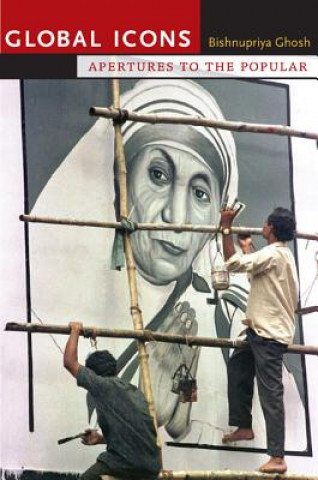
A widely disseminated photograph of Phoolan Devi, India's famous bandit queen, surrendering to police forces in 1983 became an emotional touchstone for Indians who saw the outlaw as a lower-caste folk hero. That affective response was re-ignited in 1994 with the release of a feature film based on Devi's life. Despite charges of murder, arson, and looting pending against her, the bandit queen was elected to India's parliament in 1996. Bishnupriya Ghosh considers Phoolan Devi, as well as Mother Teresa and Arundhati Roy, the prize-winning author turned environmental activist, to be global icons: highly visible public figures who become icons capable of galvanizing intense affect and sometimes even catalyzing social change. Ghosh develops a materialist theory of global iconicity, taking into account the emotional and sensory responses that these iconic figures elicit, the globalized mass media through which their images and life stories travel, and the multiple modernities within which they are interpreted. The collective aspirations embodied in figures such as Barack Obama, Eva Peron, and Princess Diana show that Ghosh's theory applies not just in South Asia but around the world.


Sobre el libro
Inglés
Categorías

Regale este libro hoy
Es fácil
1 Añadir al carrito y elegir Entregar como regalo en el checkout 2 Le enviaremos un vale 3 El libro llegará a la dirección del destinatarioTambién puede interesarle
 /
Tapa blanda
18.09
€
/
Tapa blanda
18.09
€