
 Contacto
 Cómo comprar
Entrega
Guía de compras
 Inglés
 443 b
443 b
 Próximamente
 Nuevo
Nuevo
 Lanzamiento 28. 09. 2026
Política de devolución de 30 días
También puede interesarle





 /
/
 Tapa dura
 180.99
€
180.99
€

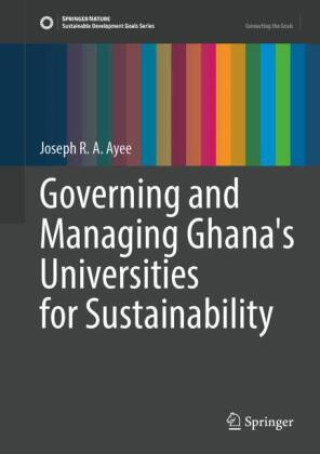
This book examines the governance and management frameworks of public and private universities in Ghana and how they have succeeded in not only addressing their problems but also how they will be able to sustain the institutions in a new age or context. In other words, it investigates what Ghana s universities have done or are doing to become sustainable. Specifically, it discusses how the post-1990 governance and management structures have succeeded in curing the ills for which they were designed and whether the new models have led to the sustainability of the institutions going forward. By focusing on the examination of the management and governance frameworks, the book deepens an understanding of how this has supported the universities to pursue their mandates and sustain them in Ghana.
The book addresses the following three questions: 1) What have Ghana s universities done or are doing to become sustainable? 2) How have the governance and management architectures contributed to the sustainability of the universities in Ghana? 3) What are some of the findings and their policy implications for university governance, management, and sustainability?
It is instructive to note that in Ghana and other African countries, the pressure is not only just that universities should be entrepreneurial in generating resources, which is best illustrated if they do not put pressure on public resources, but also how the public demands on universities be met. Additionally, how are the universities to be funded and realigned to participate in the knowledge economies and promote greater public and private purpose for sustainability with its attendant tensions, uncertainties, risks and opportunities.


Sobre el libro
Inglés
