
 Contacto
 Cómo comprar
Entrega
Guía de compras
 Inglés
 86 b
86 b
Hasta 30 días para devoluciones
Clientes que también han comprado

 /
/
 Tapa blanda
 35.49
€
35.49
€












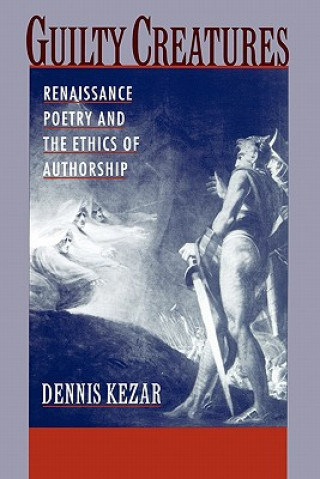
This study examines how Renaissance poets conceive the theme of killing as a specifically representational and interpretive form of violence. Closely reading both major poets and lesser known authors, Dennis Kezar explores the ethical self-consciousness and accountability that attend literary killing, paying particular attention to the ways in which this reflection indicates the poet's understanding of his audience. Kezar explores the concept of authorial guilt elicited by violent representation in poems including Skelton's Phyllyp Sparowe, Spenser's Faerie Queene, Shakespeare's Julius Caesar, the multi-authored Witch of Edmonton, and Milton's Samson Agonistes. In each case, he reflects on the poetic process and explores the ethical ramifications for both author and audience. In emphasizing the social, literary, and historical consequences of 'killing poems,' this volume further advances scholarship in historicist and speech-act theories of the early modern period.


Sobre el libro
Inglés

Regale este libro hoy
Es fácil
1 Añadir al carrito y elegir Entregar como regalo en el checkout 2 Le enviaremos un vale 3 El libro llegará a la dirección del destinatarioTambién puede interesarle
 /
Tapa blanda
15.99
€
/
Tapa blanda
15.99
€



 /
Tapa blanda
10.99
€
/
Tapa blanda
10.99
€


 /
Tapa blanda
49.19
€
/
Tapa blanda
49.19
€

 /
Tapa blanda
17.29
€
/
Tapa blanda
17.29
€








 /
Tapa dura
30.79
€
/
Tapa dura
30.79
€


 /
Tapa blanda
17.09
€
/
Tapa blanda
17.09
€



¡Hola! Soy Libroamiko, tu asesor de libros.
¿Cómo puedo ayudarte?