
 Contacto
 Cómo comprar
Entrega
Guía de compras
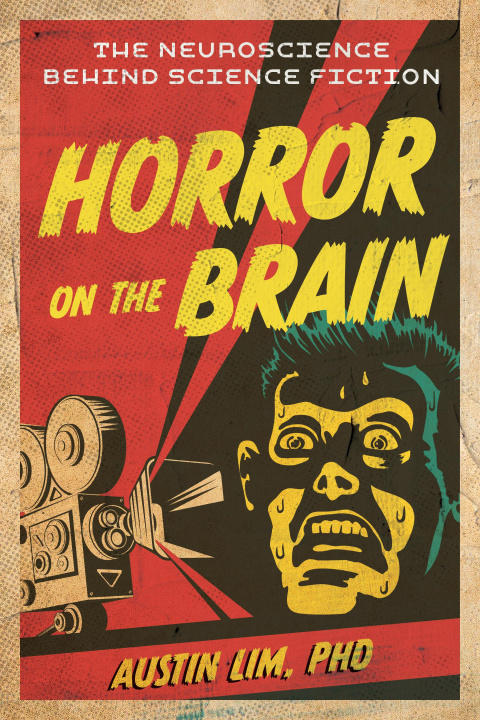
Horror on the Brain
 Inglés
 50 b
50 b
Hasta 30 días para devoluciones
Clientes que también han comprado





 /
/
 Tapa blanda
 43.29
€
43.29
€















 /
Tapa blanda
11.59
€
/
Tapa blanda
11.59
€




 /
Tapa blanda
12.39
€
/
Tapa blanda
12.39
€




A fascinating exploration of the science and psychology behind fear, madness, and the haunting stories that linger in our minds
Scientists throughout centuries have mined the depths of humanity looking for—and finding—answers to life’s most mysterious questions, but perhaps the most memorable accounts of hidden dimensions have been left to us by science fiction writers like Philip K. Dick and Octavia Butler. When science discovers, science fiction writers ask “what’s next?” Horror on the Brain reveals the real science and psychology behind science fiction’s most iconic characters, from Mary Shelley’s Dr. Frankenstein to the doctors of H.P. Lovecraft and even today’s horror blockbusters like Get Out and The Last of Us.
In this fascinating exploration of fear and madness, neuroscientist Dr. Austin Lim recounts psychology’s most bizarre and haunting real-life cases alongside famous speculative fiction that stretched that science to the edge. In 1924, Hans Berger invented the EEG, a commonly used brain imaging device, as a means to telepathically communicate with his sister, eerily similar to the protagonist in H.P. Lovecraft’s Beyond the Wall of Sleep, while Nobel Prize-winning research on marine animals in the 1960s reflects his tentacled creations. Phineas Gage, the 19th century man who experienced a dramatic personality shift following a traumatic brain injury, shares similarities to Robert Louis Stevenson's Dr. Jekyll. Investigate the neurological causes of schizophrenia and how characters in Sheridan Le Fanu’s story “In a Glass Darkly” manifest the diagnosis.
Neurological conditions from sleepwalking to the Cotard delusion—which leads patients to believe they are dead, even going to such extremes as burying themselves alive—have provided the basis for horror stories since their discovery, and, likewise, the wildly imaginative minds of writers have even prompted scientific research. Horror on the Brain uses illuminating analogies to connect science fact and science fiction, showing how spooky stories contain insights into the dark corners of the human mind and why we can’t stop looking into the abyss.


Sobre el libro
Inglés

Regale este libro hoy
Es fácil
1 Añadir al carrito y elegir Entregar como regalo en el checkout 2 Le enviaremos un vale 3 El libro llegará a la dirección del destinatarioTambién puede interesarle






 /
Tapa blanda
23.89
€
/
Tapa blanda
23.89
€









¡Hola! Soy Libroamiko, tu asesor de libros.
¿Cómo puedo ayudarte?