
 Contacto
 Cómo comprar
Entrega
Guía de compras
Inarticulate Renaissance
 Inglés
 230 b
230 b
Hasta 30 días para devoluciones
Clientes que también han comprado










 /
/
 Tapa blanda
 15.90
€
15.90
€




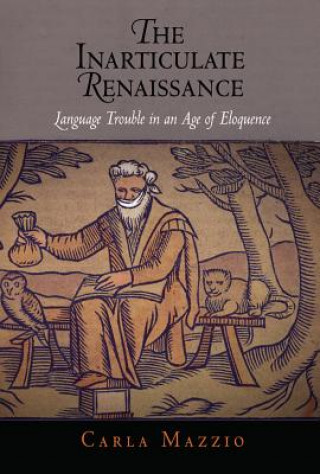
The Inarticulate Renaissance explores the conceptual potential of the disabled utterance in the English literary Renaissance. What might it have meant, in the sixteenth-century "age of eloquence," to speak indistinctly; to mumble to oneself or to God; to speak unintelligibly to a lover, a teacher, a court of law; or to be utterly dumfounded in the face of new words, persons, situations, and things? This innovative book maps out a "Renaissance" otherwise eclipsed by cultural and literary-critical investments in a period defined by the impact of classical humanism, Reformation poetics, and the flourishing of vernacular languages and literatures. For Carla Mazzio, the specter of the inarticulate was part of a culture grappling with the often startlingly incoherent dimensions of language practices and ideologies in the humanities, religion, law, historiography, print, and vernacular speech. Through a historical analysis of forms of failed utterance, as they informed and were recast in sixteenth-century drama, her book foregrounds the inarticulate as a central subject of cultural history and dramatic innovation. Playwrights from Nicholas Udall to William Shakespeare, while exposing ideological fictions through which articulate and inarticulate became distinguished, also transformed apparent challenges to "articulate" communication into occasions for cultivating new forms of expression and audition.


Sobre el libro
Inglés
Categorías

Regale este libro hoy
Es fácil
1 Añadir al carrito y elegir Entregar como regalo en el checkout 2 Le enviaremos un vale 3 El libro llegará a la dirección del destinatarioTambién puede interesarle












 /
Tapa dura
23.69
€
/
Tapa dura
23.69
€


 /
Tapa blanda
10.49
€
/
Tapa blanda
10.49
€










¡Hola! Soy Libroamiko, tu asesor de libros.
¿Cómo puedo ayudarte?