
 Contacto
 Cómo comprar
Entrega
Guía de compras
 Inglés
 133 b
133 b
Hasta 30 días para devoluciones
Clientes que también han comprado

















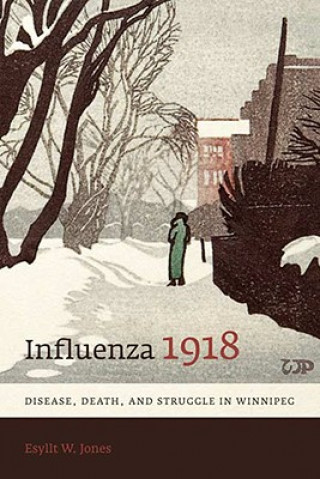
The influenza pandemic of 1918-1919 killed as many as fifty million people worldwide and affected the vast majority of Canadians. Yet the pandemic, which came and left in one season, never to recur in any significant way, has remained difficult to interpret. What did it mean to live through and beyond this brief, terrible episode, and what were its long-term effects? Influenza 1918 uses Winnipeg as a case study to show how disease articulated abd helped to re-define boundaries of social difference. Esyllt W. Jones examines the impact of the pandemic in this fragmented community, including its role in the eruption of the largest labour confrontation in Canadian history, the Winnipeg General Strike of 1919. Arguing that labour historians have largely ignored the impact of infectious disease upon the working class, Jones draws on a wide range of primary sources including mothers' allowance and orphanage case files in order to trace the pandemic's affect on the family, the public health infrastructure, and other social institutions. This study brings into focus the interrelationships between epidemic disease and working class, gender, labour, and ethnic history in Canada.Influenza 1918 concludes that social conflict is not an inevitable outcome of epidemics, but rather of inequality and public failure to fully engage all members of the community in the fight against disease.


Sobre el libro
Inglés
Categorías

Regale este libro hoy
Es fácil
1 Añadir al carrito y elegir Entregar como regalo en el checkout 2 Le enviaremos un vale 3 El libro llegará a la dirección del destinatarioTambién puede interesarle











¡Hola! Soy Libroamiko, tu asesor de libros.
¿Cómo puedo ayudarte?