
 Contacto
 Cómo comprar
Entrega
Guía de compras
 Inglés
 168 b
168 b
Hasta 30 días para devoluciones
Clientes que también han comprado

 /
/
 CD de audio
 13.59
€
13.59
€





 /
/
 Tapa blanda
29.49
€
Tapa blanda
29.49
€



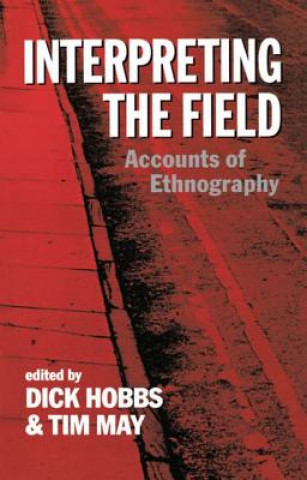
This book has two central aims. First, to demonstrate the importance of qualitative research through an examination of the type of data that it is capable of producing. Second, to do so using first-hand research accounts of ethnographic work. Toward these ends, the contributors cover a variety of topics: drug dealing; football hooliganism; entrepreneurial crime; the culture of policing; policing and the miners' strike; protest at Greenham Common; the politics of organizational change and race and sexuality in the field-work process. In reflecting upon personal experiences of field-work, together with the research strategies employed, the authors illustrate their arguments in both a detailed and accessible manner. The themes they discuss include the ethics and politics of field-work; reflexivity and data production; feminist field-work; the publication and production of studies, and an examination of the contrasting cultures of academia and what is normally termed the 'field', where knowledges are authenticated according to different rules and power relations. As a result, Interpreting the Field, will have wide appeal for those who wish to understand the dynamics, advantages, and problems associated with ethnographic work: for example, undergraduates and post-graduates undertaking their own research. It will also be of interest to methodologists and those working in the areas of crime, deviance, and organizational studies, as well as general readers of social science literature.


Sobre el libro
Inglés

Regale este libro hoy
Es fácil
1 Añadir al carrito y elegir Entregar como regalo en el checkout 2 Le enviaremos un vale 3 El libro llegará a la dirección del destinatarioTambién puede interesarle

¡Hola! Soy Libroamiko, tu asesor de libros.
¿Cómo puedo ayudarte?