
 Contacto
 Cómo comprar
Entrega
Guía de compras
 Inglés
 355 b
355 b
Hasta 30 días para devoluciones
También puede interesarle
 /
/
 Tapa dura
 202.69
€
202.69
€









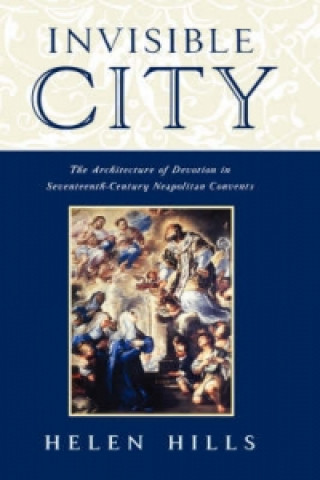
More than any other European city, Baroque Naples was dominated by convents. Behind their imposing facades and highly decorated churches, the convents of Naples housed the daughters of the city's most exclusive families, women who, despite their cloistered existence, were formidable players in the city's power structure. Invisible City vividly portrays the religious world of seventeenth-century Naples, a city of familial and internecine rivalries, of religious devotion and intense urban politics, of towering structures built to house the virgin daughters of the aristocracy. Helen Hills demonstrates how the architecture of the convents and the nuns' bodies they housed existed both in parallel and in opposition to one another. She discusses these women as subjects of enclosure, as religious women, and as art patrons, but also as powerful agents whose influence extended beyond the convent walls. Though often ensconced in convents owing to their families' economic circumstances, many of these young women were able to extend their influence as a result of the role convents played both in urban life and in art patronage.The convents were rich and powerful organizations, riven with feuds and prey to the ambitions of viceregal and elite groups, which their thick walls could not exclude. Even today, Neapolitan convents figure prominently in the city's fabric. In analyzing the architecture of these august institutions, Helen Hills skillfully reads conventual architecture as a metaphor for the body of the aristocratic virgin nun, mapping out the dialectic between flesh and stone.


Sobre el libro
Inglés

Regale este libro hoy
Es fácil
1 Añadir al carrito y elegir Entregar como regalo en el checkout 2 Le enviaremos un vale 3 El libro llegará a la dirección del destinatario¡Hola! Soy Libroamiko, tu asesor de libros.
¿Cómo puedo ayudarte?