
 Contacto
 Cómo comprar
Entrega
Guía de compras
 Inglés
 350 b
350 b
Hasta 30 días para devoluciones
Clientes que también han comprado






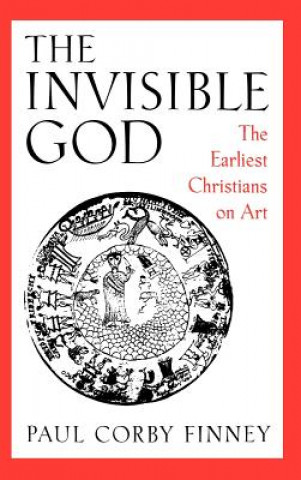
This is a study of early Christian (first three centuries C. E.) attitudes toward art. The traditional view is that the early Christians produced no art because they were opposed in principle to visual images. When Christian art finally does appear, it has been considered a popular development and a decline from earlier, more austere spiritual values. Corby Finney here refutes these traditional understandings, through a close examination of the archaeological and literary evidence in its cultural and social context. He finds that it was primarily the Christian belief in the invisibility of God that inhibited the production of images, rather than opposition to images as such. A contributory factor, he believes was the relative invisibility of the Christians themselves within Roman society. Christina art "came out" chiefly when the Christian acquired a legal status and the capacity to own property and to build (and hence to decorate) places of worship. Before this, says Finney, very little differentiated the Christians from society at large, and certainly not outward signs. When they did use decorated material objects (seals and lamps) they drew on symbols already in use. Offering an important corrective to prevailing views about early Christianity, this study will be of great importance not only to scholars and students of Christian theology and history, but to art historians as well.


Sobre el libro
Inglés
Categorías

Regale este libro hoy
Es fácil
1 Añadir al carrito y elegir Entregar como regalo en el checkout 2 Le enviaremos un vale 3 El libro llegará a la dirección del destinatarioTambién puede interesarle


 /
/
 Tapa blanda
 10.69
€
10.69
€


¡Hola! Soy Libroamiko, tu asesor de libros.
¿Cómo puedo ayudarte?