
 Contacto
 Cómo comprar
Entrega
Guía de compras
 Inglés
 100 b
100 b
Política de devolución de 30 días
Clientes que también han comprado

















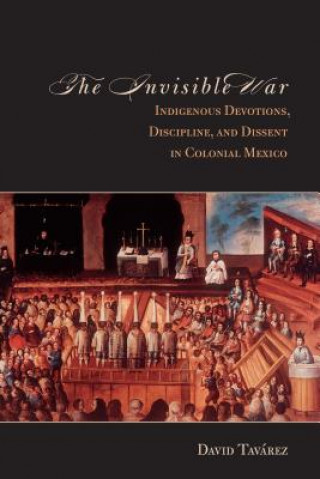
After the conquest of Mexico, colonial authorities attempted to enforce Christian beliefs among indigenous peoples--a project they envisioned as spiritual warfare. The Invisible War assesses this immense but dislocated project by examining all known efforts in Central Mexico to obliterate native devotions of Mesoamerican origin between the 1530s and the late eighteenth century. The author's innovative interpretation of these efforts is punctuated by three events: the creation of an Inquisition tribunal in Mexico in 1571; the native rebellion of Tehuantepec in 1660; and the emergence of eerily modern strategies for isolating idolaters, teaching Spanish to natives, and obtaining medical proof of sorcery from the 1720s onwards. Rather than depicting native devotions solely from the viewpoint of their colonial codifiers, this book rescues indigenous perspectives on their own beliefs. This is achieved by an analysis of previously unknown or rare ritual texts that circulated in secrecy in Nahua and Zapotec communities through an astute appropriation of European literacy. Tavarez contends that native responses gave rise to a colonial archipelago of faith in which local cosmologies merged insights from Mesoamerican and European beliefs. In the end, idolatry eradication inspired distinct reactions: while Nahua responses focused on epistemological dissent against Christianity, Zapotec strategies privileged confrontations in defence of native cosmologies.


Sobre el libro
Inglés

Regale este libro hoy
Es fácil
1 Añadir al carrito y elegir Entregar como regalo en el checkout 2 Le enviaremos un vale 3 El libro llegará a la dirección del destinatarioTambién puede interesarle


 /
/
 Tapa dura
 204.29
€
204.29
€























¡Hola! Soy Libroamiko, tu asesor de libros.
¿Cómo puedo ayudarte?