
 Contacto
 Cómo comprar
Entrega
Guía de compras
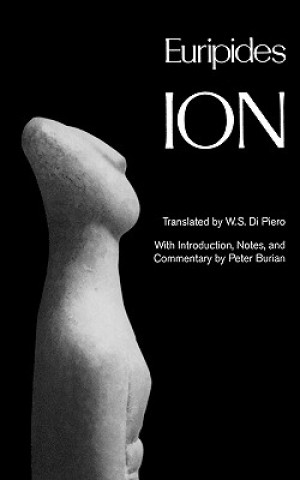
Ion
 Inglés
 64 b
64 b
Hasta 30 días para devoluciones
Clientes que también han comprado






















One of Euripides' late plays, Ion is a complex enactment of the changing relations between the human and divine orders and the way in which our understanding of the gods is mediated and re-visioned by myths. The story begins years before the play begins, with the rape of the mortal Kreousa, queen of Athens, by Apollo. Kreousa bears Apollos' child in secret then abandons it. Unbeknownst to her, Apollo has the child brought to his temple at Delphi to be reared by the priestess as ward of the shrine. Many years later, Kreousa, now married to the foreigner Xouthos but childless, comes to Delphi seeking prophecy about children. Apollo, however, speaking through the oracle, bestows the temple ward, Ion, on Xouthos as his child. Enraged, Kreousa conspires to kill as an interloper the very son she has despaired of finding. After mother and son both try to kill each other, the priestess reveals the birth tokens that permit Kreousa to recognize and embrace the child she thought was dead. Ion discovers the truth of his parentage and departs for Athens, as a mixed blood of humanity and divinity, to participate in the life of the polis. In Ion, disturbing riptides of thought and feeling run just below the often shimmering surfaces of Euripidean melodrama. Although the play contains some of Euripides' most beautiful lyrical writing, it quivers throughout with near disasters, poorly informed actions and misdirected intentions that almost result in catastrophe. Kreousa says at one point that good and evil do not mix, but Euripides' argument, and what the youthful Ion strives to understand, is that human beings are not only compounded of good and evil, but that the two are often the same thing differently experienced, differently understood, just as beauty and violence are mixed both in the gods and in the mortal world.


Sobre el libro
Inglés

Regale este libro hoy
Es fácil
1 Añadir al carrito y elegir Entregar como regalo en el checkout 2 Le enviaremos un vale 3 El libro llegará a la dirección del destinatarioTambién puede interesarle




















¡Hola! Soy Libroamiko, tu asesor de libros.
¿Cómo puedo ayudarte?