
 Contacto
 Cómo comprar
Entrega
Guía de compras
 Inglés
 76 b
76 b
Política de devolución de 30 días
Clientes que también han comprado



 /
/
 Tapa blanda
 31.49
€
31.49
€


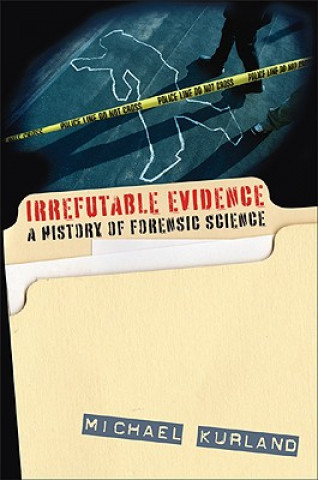
The rise of scientific thinking in finding, catching, and convicting criminals-and, just as important, freeing the innocent-has transformed society's assault on crime. Before scientific detective work, early attempts to maintain public safety relied on the severity of punishment rather than any probability of apprehension. But with the rapid development of the sciences in the nineteenth century, some techniques began to spill over into more effective police work. Michael Kurland's engrossing history of forensic science recounts this remarkable progress, which continues to the present. He traces the history of the major techniques of criminal detection and many of the minor ones. Here are Bertillon's physical measurements used to recognize habitual criminals; the study of fingerprints identifying criminals long after they have left the scene of the crime; Gravelle's comparison microscope comparing bullets to determine if they have been fired from the same gun; the development of bloodstain identification and, ultimately, the blood type involved. Mr. Kurland explains how once-accepted techniques have fallen by the wayside-handwriting analysis, for example-and how methods such as lie detectors, voice spectrum analysis, bite mark evidence, and other methods have proven unworthy. Finally Irrefutable Evidence explores the rise of modern DNA typing techniques, which have proven the innocence of many persons convicted of major crimes and resulted in the exoneration of more than two hundred on death row. With 12 black-and-white illustrations.


Sobre el libro
Inglés

Regale este libro hoy
Es fácil
1 Añadir al carrito y elegir Entregar como regalo en el checkout 2 Le enviaremos un vale 3 El libro llegará a la dirección del destinatarioTambién puede interesarle



 /
Tapa blanda
54.99
€
/
Tapa blanda
54.99
€




 /
Tapa blanda
20.09
€
/
Tapa blanda
20.09
€







 /
Tapa blanda
80.69
€
/
Tapa blanda
80.69
€




 /
Tapa blanda
15.09
€
/
Tapa blanda
15.09
€
¡Hola! Soy Libroamiko, tu asesor de libros.
¿Cómo puedo ayudarte?