
 Contacto
 Cómo comprar
Entrega
Guía de compras
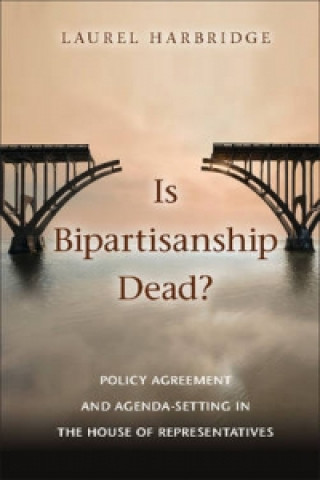
Is Bipartisanship Dead?
Policy Agreement and Agenda-Setting in the House of Representatives
 Inglés
 112 b
112 b
Hasta 30 días para devoluciones
Clientes que también han comprado















 /
/
 Tapa dura
 37.99
€
37.99
€










 /
Tapa blanda
23.49
€
/
Tapa blanda
23.49
€

 /
Tapa blanda
19.49
€
/
Tapa blanda
19.49
€

 /
Tapa blanda
77.69
€
/
Tapa blanda
77.69
€


Is Bipartisanship Dead? looks beyond (and considers the time before) roll call voting to examine the extent to which bipartisan agreement in the House of Representatives has declined since the 1970s. Despite voting coalitions showing a decline in bipartisan agreement between 1973 and 2004, member's bill cosponsorship coalitions show a more stable level of bipartisanship. The declining bipartisanship over time in roll call voting reflects a shift in how party leaders structure the floor and roll call agendas. Party leaders in the House changed from prioritizing legislation with bipartisan agreement in the 1970s to prioritizing legislation with partisan disagreement by the 1990s. Laurel Harbridge argues that this shift reflects a changing political environment and an effort by leaders to balance members' electoral interests, governance goals, and partisan differentiation. The findings speak to questions of representation and governance. They also shed light on whether partisan conflict is insurmountable and whether bipartisanship in congressional politics is dead.


Sobre el libro
Inglés

Regale este libro hoy
Es fácil
1 Añadir al carrito y elegir Entregar como regalo en el checkout 2 Le enviaremos un vale 3 El libro llegará a la dirección del destinatarioTambién puede interesarle



 /
Tapa blanda
173.59
€
/
Tapa blanda
173.59
€



 /
Tapa blanda
22.99
€
/
Tapa blanda
22.99
€








 /
Tapa blanda
112.79
€
/
Tapa blanda
112.79
€




¡Hola! Soy Libroamiko, tu asesor de libros.
¿Cómo puedo ayudarte?