
 Contacto
 Cómo comprar
Entrega
Guía de compras
Islam and Statecraft
 Inglés
 233 b
233 b
Hasta 30 días para devoluciones
Clientes que también han comprado


 /
/
 Calendario
 25.49
€
25.49
€




 /
/
 Tapa blanda
39.39
€
Tapa blanda
39.39
€




 /
Tapa blanda
39.39
€
/
Tapa blanda
39.39
€





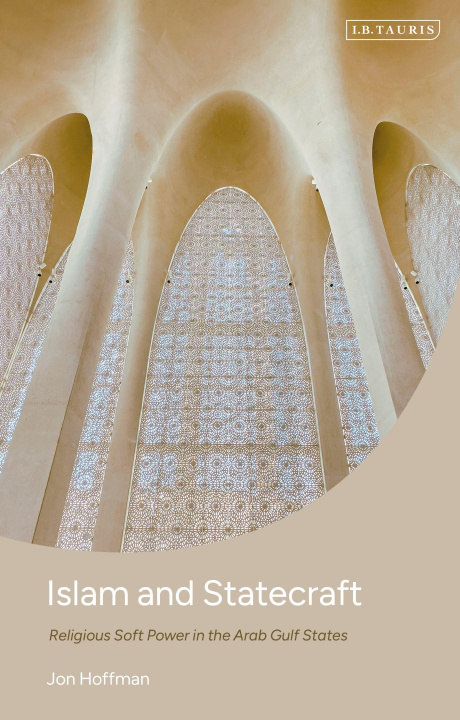
Instead of religion influencing political outcomes, this analysis examines how politics influences religious outcomes. Dominant analyses examining the utilization of religion as a tool of statecraft in the Middle East remain overwhelmingly fixated on how Islam influences the foreign policies of different state actors – not how political considerations often influence the forms Islam assumes and how religion itself is often molded according to strategic considerations of political elites. That Islam, due to its “unique” or “exceptional” relationship with politics, drives political outcomes at the international level in the Middle East is a myth this book tackles by demonstrating how the political considerations of ruling elites – specifically, the intersection of domestic and foreign threats – influence and constrain the kinds of religious soft power strategies adopted by states in the region.
This book develops a comprehensive analytical framework for the notion of “religious soft power” capable of incorporating power-based, identity-based, and ideational variables to examine how states couple religion with their broader foreign policy conduct. This framework is applied to the Middle East through the specific examination of three countries - Saudi Arabia, Qatar, and the United Arab Emirates - in the period following the Arab Uprisings to demonstrate how specific religious narratives, identities, histories, and ideologies are constructed by political elites in the Middle East for the advancement of what are inherently political objectives, namely the imperatives of regime preservation and power projection.


Sobre el libro
Inglés

Regale este libro hoy
Es fácil
1 Añadir al carrito y elegir Entregar como regalo en el checkout 2 Le enviaremos un vale 3 El libro llegará a la dirección del destinatarioTambién puede interesarle






 /
Tapa dura
119.79
€
/
Tapa dura
119.79
€






¡Hola! Soy Libroamiko, tu asesor de libros.
¿Cómo puedo ayudarte?