
 Contacto
 Cómo comprar
Entrega
Guía de compras
Islamic Gardens and Landscapes
 Inglés
 89 b
89 b
Hasta 30 días para devoluciones
Clientes que también han comprado














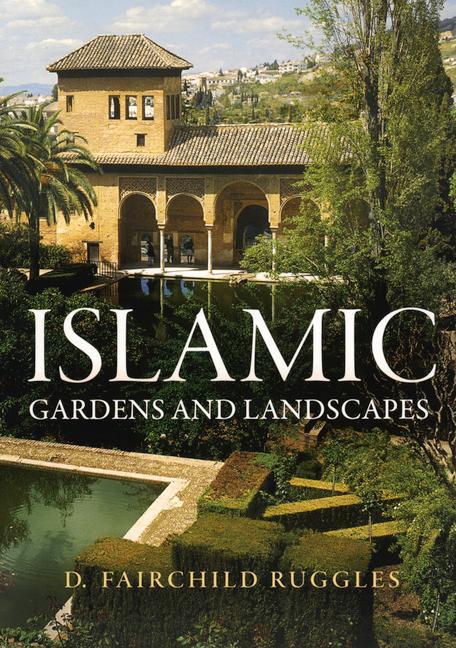
Western admirers have long seen the Islamic garden as an earthly reflection of the paradise said to await the faithful. However, such simplification, Ruggles contends, denies the sophistication and diversity of the art form. Islamic Gardens and Landscapes immerses the reader in the world of the architects of the great gardens of the Islamic world, from medieval Morocco to contemporary India.
Just as Islamic culture is historically dense, sophisticated, and complex, so too is the history of its built landscapes. Islamic gardens began from the practical need to organize the surrounding space of human civilization, tame nature, enhance the earth's yield, and create a legible map on which to distribute natural resources. Ruggles follows the evolution of these early farming efforts to their aristocratic apex in famous formal gardens of the Alhambra in Spain and the Taj Mahal in Agra.
Whether in a humble city home or a royal courtyard, the garden has several defining characteristics, which Ruggles discusses. Most notable is an enclosed space divided into four equal parts surrounding a central design element. The traditional Islamic garden is inwardly focused, usually surrounded by buildings or in the form of a courtyard. Water provides a counterpoint to the portioned green sections.
Ranging across poetry, court documents, agronomy manuals, and early garden representations, and richly illustrated with pictures and site plans, Islamic Gardens and Landscapes is a book of impressive scope sure to interest scholars and enthusiasts alike.


Sobre el libro
Inglés
Categorías

Regale este libro hoy
Es fácil
1 Añadir al carrito y elegir Entregar como regalo en el checkout 2 Le enviaremos un vale 3 El libro llegará a la dirección del destinatarioTambién puede interesarle


















¡Hola! Soy Libroamiko, tu asesor de libros.
¿Cómo puedo ayudarte?