
 Contacto
 Cómo comprar
Entrega
Guía de compras
Kim Ki-duk
 Inglés
 65 b
65 b
Hasta 30 días para devoluciones
Clientes que también han comprado




 /
/
 Tapa blanda
 39.69
€
39.69
€


 /
Tapa blanda
30.99
€
/
Tapa blanda
30.99
€





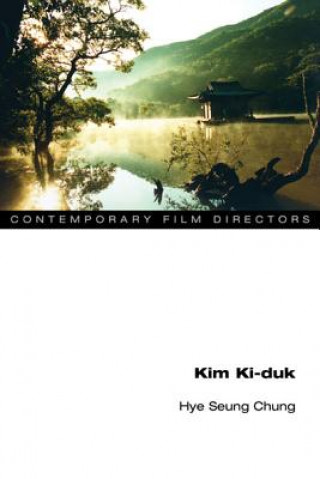
This study investigates the controversial motion pictures written and directed by the independent filmmaker Kim Ki-duk, one of the most acclaimed Korean auteurs in the English-speaking world. Propelled by underdog protagonists who can only communicate through shared corporeal pain and extreme violence, Kim's graphic films have been classified by Western audiences as belonging to sensationalist East Asian "extreme" cinema, and Kim has been labelled a "psychopath" and "misogynist" in South Korea. Drawing upon both Korean-language and English-language sources, Hye Seung Chung challenges these misunderstandings, recuperating Kim's oeuvre as a therapeutic, yet brutal cinema of Nietzschean ressentiment (political anger and resentment deriving from subordination and oppression). Chung argues that the power of Kim's cinema lies precisely in its ability to capture, channel, and convey the raw emotions of protagonists who live on the bottom rungs of Korean society. She provides historical and postcolonial readings of victimization and violence in Kim's cinema, which tackles such socially relevant topics as national division in Wild Animals and The Coast Guard and U.S. military occupation in Address Unknown. She also explores the religious and spiritual themes in Kim's most recent works, which suggest possibilities of reconciliation and transcendence.


Sobre el libro
Inglés

Regale este libro hoy
Es fácil
1 Añadir al carrito y elegir Entregar como regalo en el checkout 2 Le enviaremos un vale 3 El libro llegará a la dirección del destinatarioTambién puede interesarle




 /
Tapa blanda
17.99
€
/
Tapa blanda
17.99
€





 /
Tapa blanda
39.39
€
/
Tapa blanda
39.39
€
¡Hola! Soy Libroamiko, tu asesor de libros.
¿Cómo puedo ayudarte?