Contacto
 Cómo comprar
Entrega
Guía de compras
 Inglés
 156 b
156 b
Hasta 30 días para devoluciones
Clientes que también han comprado





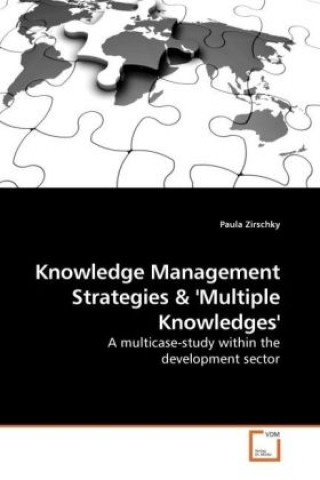
Organizations in all sectors progressively accept the importance of knowledge as a strategic asset. The development sector as well has a strong motivation to overcome barriers to knowledge sharing across organizations, communities or even governments in order to maximise their impact on the ground. Reality shows that the practice of development cooperation displays a marked lack of context sensitivity and has failed to recognise the fundamental significance of the conception and use of knowledge. A variety of knowledge bases and perspectives (multiple knowledges), need to be understood and integrated in a knowledge management strategy in order to be effective. This book describes a study in which three levels of development organizations are explored; bilateral, multilateral and NGO level. The research combines qualitative and quantitative methods as it includes a literature and document analysis, a survey and in- depth interviewing. This book provides more insight in knowledge management strategies and the relatively new concept of multiple knowledges and is useful for development professionals but also for everyone interested in knowledge management.


Sobre el libro
Inglés

Regale este libro hoy
Es fácil
1 Añadir al carrito y elegir Entregar como regalo en el checkout 2 Le enviaremos un vale 3 El libro llegará a la dirección del destinatarioTambién puede interesarle
 /
/
 Tapa dura
 13.49
€
13.49
€