
 Contacto
 Cómo comprar
Entrega
Guía de compras
 Inglés
 267 b
267 b
Hasta 30 días para devoluciones
Clientes que también han comprado

 /
/
 Tapa dura
 130.19
€
130.19
€










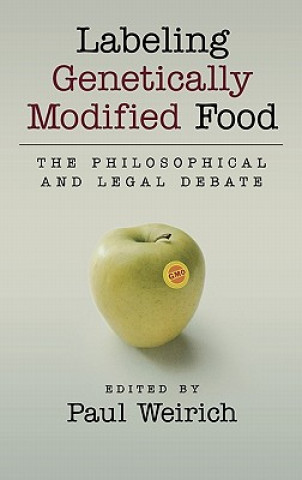
Food products with genetically modified (GM) ingredients are common, yet many consumers are unaware of this. When polled, consumers say that they want to know whether their food contains GM ingredients, just as many want to know whether their food is natural or organic. Informing consumers is a major motivation for labeling. But labeling need not be mandatory. Consumers who want GM-free products will pay a premium to support voluntary labeling. Why do consumers want to know about GM ingredients? GM foods are tested to ensure safety and have been on the market for more than a decade. Still, many consumers, including some with food allergies, want to be cautious. Also, GM crops may affect neighboring plants through pollen drift. Despite tests for environmental impact, some consumers may worry that GM crops will adversely effect the environment. The study of risk and its management raises questions not settled by the life sciences alone. This book surveys various labeling policies and the cases for them. It is the first comprehensive, interdisciplinary treatment of the debate about labeling genetically modified food. The contributors include philosophers, bioethicists, food and agricultural scientists, attorneys/legal scholars, and economists.


Sobre el libro
Inglés
Categorías

Regale este libro hoy
Es fácil
1 Añadir al carrito y elegir Entregar como regalo en el checkout 2 Le enviaremos un vale 3 El libro llegará a la dirección del destinatarioTambién puede interesarle


 /
Tapa blanda
118.29
€
/
Tapa blanda
118.29
€
 /
/
 Adobe ePub DRM
4.59
€
Adobe ePub DRM
4.59
€
 /
Tapa blanda
19.09
€
/
Tapa blanda
19.09
€

 /
Tapa dura
20.49
€
/
Tapa dura
20.49
€

 /
Tapa blanda
33.69
€
/
Tapa blanda
33.69
€





 /
Tapa blanda
35.49
€
/
Tapa blanda
35.49
€










¡Hola! Soy Libroamiko, tu asesor de libros.
¿Cómo puedo ayudarte?