
 Contacto
 Cómo comprar
Entrega
Guía de compras
Language Evolution
 Inglés
 677 b
677 b
Hasta 30 días para devoluciones
Clientes que también han comprado

 /
/
 Tapa blanda
 29.49
€
29.49
€

























 /
Tapa blanda
27.09
€
/
Tapa blanda
27.09
€






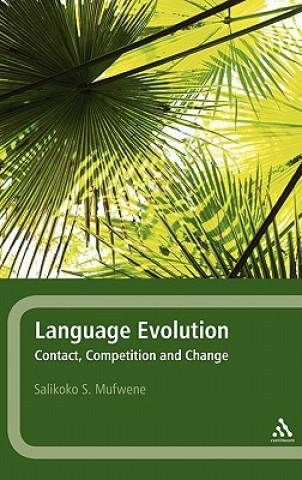
Languages are constantly changing. New words are added to the English language every year, either borrowed or coined, and there is often railing against the decline of the language by public figures. Some languages, such as French and Finnish, have academies to protect them against foreign imports. Yet languages are species-like constructs, which evolve naturally over time. Migration, imperialism, and globalization have blurred boundaries between many of them, producing new ones (such as creoles) and driving some to extinction. This book examines the processes by which languages change, from the macroecological perspective of competition and natural selection. In a series of chapters, Salikoko Mufwene examines such themes as:natural selection in language. the actuation question and the invisible hand that drives evolution multilingualism and language contact language birth and language death. the emergence of Creoles and Pidgins the varying impacts of colonization and globalization on language vitality. This comprehensive examination of the organic evolution of language will be essential reading for graduate and senior undergraduate students, and for researchers on the social dynamics of language variation and change, language vitality and death, and even the origins of linguistic diversity.


Sobre el libro
Inglés

Regale este libro hoy
Es fácil
1 Añadir al carrito y elegir Entregar como regalo en el checkout 2 Le enviaremos un vale 3 El libro llegará a la dirección del destinatarioTambién puede interesarle








 /
Tapa blanda
29.09
€
/
Tapa blanda
29.09
€


 /
Tapa blanda
22.99
€
/
Tapa blanda
22.99
€






 /
Tapa blanda
25.89
€
/
Tapa blanda
25.89
€



 /
Tapa blanda
68.19
€
/
Tapa blanda
68.19
€



¡Hola! Soy Libroamiko, tu asesor de libros.
¿Cómo puedo ayudarte?