
 Contacto
 Cómo comprar
Entrega
Guía de compras
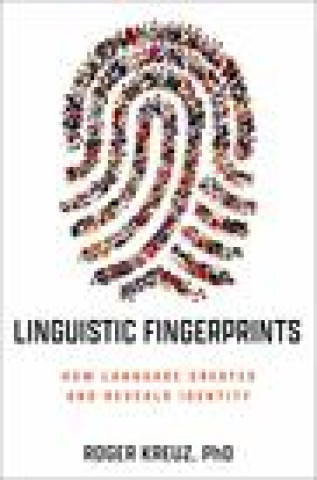
Linguistic Fingerprints
 Inglés
 63 b
63 b
Hasta 30 días para devoluciones
Clientes que también han comprado









 /
/
 CD de audio
 151.59
€
151.59
€









How much of ourselves do we disclose when we speak or write? A person’s accent may reveal, for example, whether they hail from Australia, or Ireland, or Mississippi. But it’s not just where we were born—we divulge all sorts of information about ourselves and our identity through language. Level of education, gender, age, and even aspects of our personality can all be reliably determined by our vocabulary and grammar. To those who know what to look for, we give ourselves away every time we open our mouths or tap on a keyboard.
But how unique is a person’s linguistic identity? Can language be used to identify a specific person? To identify—or to exonerate—a murder suspect? To determine who authored a particular book? The answer to all these questions is yes. Forensic and computational linguists have developed methods that allow linguistic fingerprinting to be used in law enforcement. Similar techniques are used by literary scholars to identify the authors of anonymous or contested works of literature. Many people have heard that linguistic analysis helped to catch the Unabomber, or to unmask an anonymous editorialist—but how is it done? LINGUSISTIC FINGERPRINTS will explain how these methods were developed and how they are used to solve forensic and literary mysteries. But these techniques aren’t perfect, and the book will also include some cautionary tales about mistaken linguistic identity.


Sobre el libro
Inglés
Categorías

Regale este libro hoy
Es fácil
1 Añadir al carrito y elegir Entregar como regalo en el checkout 2 Le enviaremos un vale 3 El libro llegará a la dirección del destinatarioTambién puede interesarle









 /
/
 Tapa dura
32.79
€
Tapa dura
32.79
€


 /
Tapa blanda
14.89
€
/
Tapa blanda
14.89
€
 /
Tapa blanda
22.99
€
/
Tapa blanda
22.99
€

 /
Tapa blanda
38.69
€
/
Tapa blanda
38.69
€



¡Hola! Soy Libroamiko, tu asesor de libros.
¿Cómo puedo ayudarte?