
 Contacto
 Cómo comprar
Entrega
Guía de compras
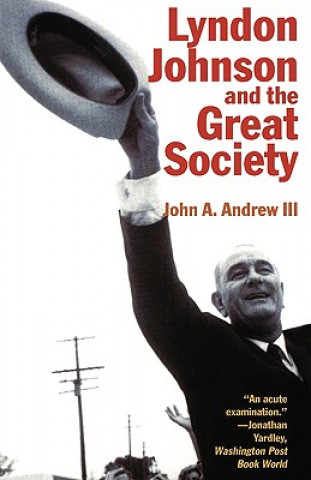
Lyndon Johnson and the Great Society
 Inglés
 43 b
43 b
Hasta 30 días para devoluciones
También puede interesarle




 /
/
 Tapa blanda
 32.19
€
32.19
€




 /
Tapa blanda
10.69
€
/
Tapa blanda
10.69
€

















Lyndon Johnson's Great Society was the most ambitious and controversial American reform effort since the New Deal of Franklin Roosevelt. Conceived in a time of prosperity rather than devastating depression, it sought to forge a consensus that rested on ideals rather than harsh economic realities. In this narrative analysis, John Andrew examines the underlying ideas and principal objectives of Great Society legislation in the areas of civil rights, poverty, health, education, urban life, and consumer issues-legislation that addressed some of the most important and complex problems facing American society in the mid-1960s. These efforts in some way touched the lives of most Americans. But, as Mr. Andrew points out, LBJ's consensus could persist only by avoiding divisive issues. As times changed and the economy deteriorated, the mood of the nation shifted, and the ideals of the mid-sixties collapsed in the face of ideological and political polarization. In the end, as Mr. Andrew shows, much of the Great Society failed along with the idealism that had sparked it. Yet the issues it addressed proved so intractable that the search for solutions continues to generate political controversy even today.


Sobre el libro
Inglés
Categorías

Regale este libro hoy
Es fácil
1 Añadir al carrito y elegir Entregar como regalo en el checkout 2 Le enviaremos un vale 3 El libro llegará a la dirección del destinatario¡Hola! Soy Libroamiko, tu asesor de libros.
¿Cómo puedo ayudarte?