
 Contacto
 Cómo comprar
Entrega
Guía de compras
 Inglés
 182 b
182 b
Hasta 30 días para devoluciones
Clientes que también han comprado

 /
/
 Tapa blanda
 11.79
€
11.79
€










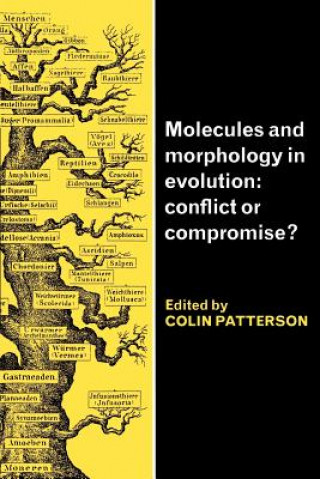
This book reviews the phylogenetic data derived from molecular methods and from classical morphology, and analyses the contribution each can make to the study of evolution. Molecular biology and traditional areas of evolutionary biology such as morphology have not enjoyed a particularly happy marriage. Molecular biologists have the advantages of modernity, high technology, and visibility: their results often seem to represent the cutting edge of science, superseding and outmoding what went before. Nevertheless, this book shows that the partnership between those who study morphology and those who study molecules is alive and well: reconciliation is possible, necessary and inevitable because the problems involved in reconstructing the history of life do not change, whatever the source of the data. In eight chapters, leading exponents of molecular and morphological methods explore phylogeny, starting with hominoids, the most thoroughly studied group, then working outwards through the vertebrates, and ending at the level of the prokaryote and eukaryote kingdoms. Theoretical problems are also covered, including the concepts of homology, the molecular clock and neutral or 'non-Darwinian' evolution. The book concludes with an example in laboratory mice where the reliability of different methods for determining phylogeny can be tested against a known genealogy.


Sobre el libro
Inglés

Regale este libro hoy
Es fácil
1 Añadir al carrito y elegir Entregar como regalo en el checkout 2 Le enviaremos un vale 3 El libro llegará a la dirección del destinatarioTambién puede interesarle

 /
Tapa blanda
33.69
€
/
Tapa blanda
33.69
€




 /
Tapa blanda
12.59
€
/
Tapa blanda
12.59
€
 /
Tapa blanda
24.09
€
/
Tapa blanda
24.09
€
 /
Tapa blanda
42.59
€
/
Tapa blanda
42.59
€
 /
Tapa dura
40.69
€
/
Tapa dura
40.69
€












¡Hola! Soy Libroamiko, tu asesor de libros.
¿Cómo puedo ayudarte?