
 Contacto
 Cómo comprar
Entrega
Guía de compras
 Inglés
 139 b
139 b
Hasta 30 días para devoluciones
Clientes que también han comprado
















 /
/
 Tapa blanda
 41.69
€
41.69
€







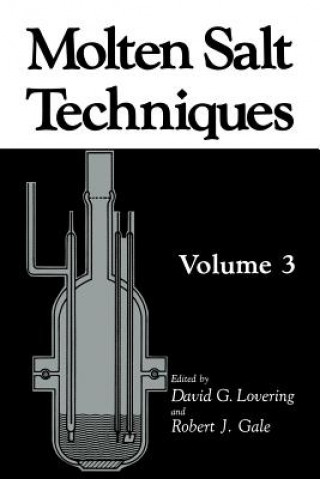
The physicist Kamerlingh Onnes, who was the first to liquify helium (1908), had written on the walls of his laboratory in Leiden: "From measur ing to knowing." As true as this is at very low temperatures, it is just as applicable at the high temperatures of molten salts. Only on the basis of exact measurements by a plethora of experimental methods can any real understanding be reached of both classes of liquids. In both temperature ranges experimental difficulties are much greater than those encountered around ambient temperature. Molten salts often present a formidable challenge to the experimen talist, for example, because of corrosion and other materials problems. Applications of molten salts were for a long time based on empirical knowledge alone. This was true for the first application of molten salts in 1807, when Davy obtained sodium and potassium by electrolysis of the molten hydroxides. For 100 years the winning of aluminum has been based on the very nearly simultaneous invention by Hall and Heroult (1886) of the electrolysis of molten cryolite. The process, though essentially unchanged, has since been perfected owing to an improvement in our understanding of what actually happens, based on difficult measurements ofthe many variables. However, even now there are gaps in our knowledge.


Sobre el libro
Inglés
Categorías

Regale este libro hoy
Es fácil
1 Añadir al carrito y elegir Entregar como regalo en el checkout 2 Le enviaremos un vale 3 El libro llegará a la dirección del destinatarioTambién puede interesarle




 /
Tapa blanda
31.79
€
/
Tapa blanda
31.79
€




 /
Tapa blanda
29.39
€
/
Tapa blanda
29.39
€


 /
Tapa blanda
8.79
€
/
Tapa blanda
8.79
€







 /
Tapa dura
41.59
€
/
Tapa dura
41.59
€




¡Hola! Soy Libroamiko, tu asesor de libros.
¿Cómo puedo ayudarte?