
 Contacto
 Cómo comprar
Entrega
Guía de compras
 Inglés
 60 b
60 b
Política de devolución de 30 días

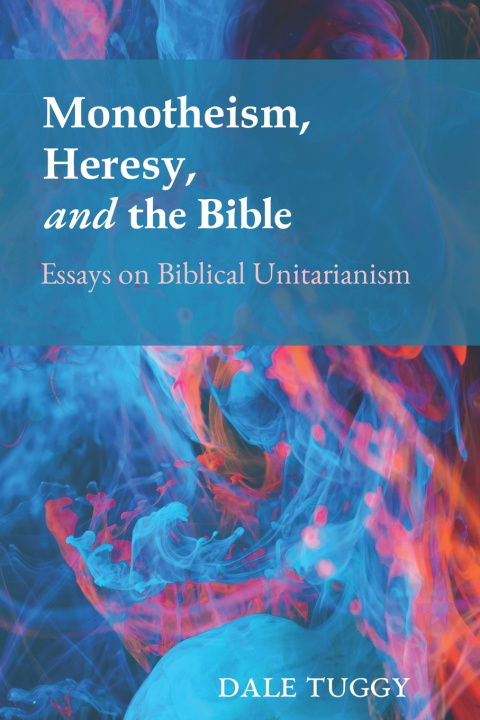
What can we learn from how the biblical authors use the words "God" and "Lord"? Is Jesus called "God" in the New Testament, and if so, does that imply that Jesus is God or a divine Person in the Trinity? How exactly can one start with the Bible and derive a truly trinitarian theology? Or can it be shown, as unitarian Christians allege, that any triune-God theology clashes with clear New Testament teachings? What does it mean to call someone a "heretic," and how should a Bible-oriented Protestant approach the topic of heresy? Are the traditional Incarnation and Trinity doctrines essential to the Gospel? How do the biblical authors think that Jesus and God (aka "the Father) are related to one another? What would it mean to identify Jesus with God? Is Jesus's divine identity implied by New Testament claims that he fulfilled ancient prophecies that were about Yahweh? Is the Bible consistent with claims that Jesus and the Father are different Persons while being the same God? What is implied by the New Testament teaching that the Father is the Son's God?
In this collection of previously unpublished essays, analytic theologian Dale Tuggy applies intellectual tools from analytic philosophy such as conceptual analysis, careful definitions, and explicit deductive arguments to problems of New Testament interpretation and Christian theology.


Sobre el libro
Inglés
Categorías
