
 Contacto
 Cómo comprar
Entrega
Guía de compras
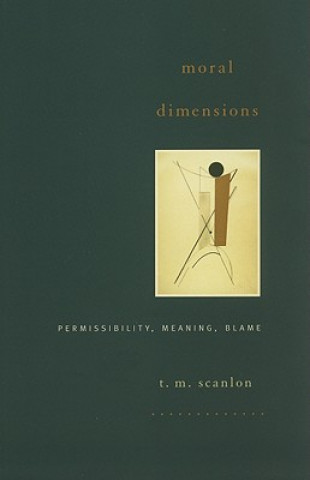
Moral Dimensions
 Inglés
 95 b
95 b
Política de devolución de 30 días
Clientes que también han comprado


In a clear and elegant style, T. M. Scanlon reframes current philosophical debates as he explores the moral permissibility of an action. Permissibility may seem to depend on the agent's reasons for performing an action. For example, there seems to be an important moral difference between tactical bombing and a campaign by terrorists - even if the same number of non-combatants are killed - and this difference may seem to lie in the agents' respective aims. However, Scanlon argues that the apparent dependence of permissibility on the agent's reasons in such cases is merely a failure to distinguish between two kinds of moral assessment: assessment of the permissibility of an action and assessment of the way an agent decided what to do. Distinguishing between these two forms of assessment leads Scanlon to an important distinction between the permissibility of an action and its meaning: the significance for others of the agent's willingness to act in this way. An action's meaning depends on the agent's reasons for performing it in a way that its permissibility does not. Blame, he argues, is a response to the meaning of an action rather than its permissibility. This analysis leads to a novel account of the conditions of moral responsibility and to important conclusions about the ethics of blame.


Sobre el libro
Inglés

Regale este libro hoy
Es fácil
1 Añadir al carrito y elegir Entregar como regalo en el checkout 2 Le enviaremos un vale 3 El libro llegará a la dirección del destinatarioTambién puede interesarle









 /
/
 Tapa blanda
 33.09
€
33.09
€
















¡Hola! Soy Libroamiko, tu asesor de libros.
¿Cómo puedo ayudarte?