
 Contacto
 Cómo comprar
Entrega
Guía de compras
Moral Economists
 Inglés
 163 b
163 b
 Próximamente
 Fecha desconocida
Hasta 30 días para devoluciones
Clientes que también han comprado













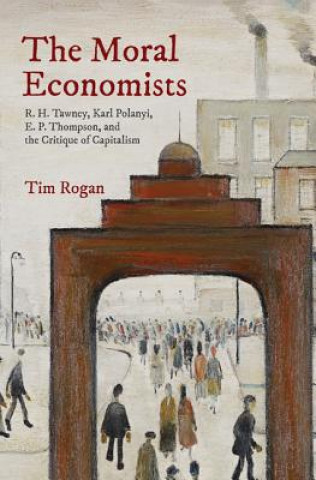
What's wrong with capitalism? Answers to that question today focus on material inequality. Led by economists and conducted in utilitarian terms, the critique of capitalism in the twenty-first century is primarily concerned with disparities in income and wealth. It was not always so. Tim Rogan focuses on three of the twentieth century's most influential critics of capitalism - R. H. Tawney, Karl Polanyi, and E. P. Thompson. Making arguments about the relationships between economics and ethics in modernity, their works commanded wide readerships, shaped research agendas, and influenced public opinion. Rejecting the social philosophy of laissez-faire but fearing authoritarianism, these writers sought out forms of social solidarity closer than individualism admitted but freer than collectivism allowed. They discovered such solidarities while teaching economics, history, and literature to workers in the north of England and elsewhere. They wrote histories of capitalism to make these solidarities articulate. They used makeshift languages of "tradition" and "custom" to describe them until Thompson patented the idea of the "moral economy." Their program began as a way of theorizing everything economics left out, but in challenging utilitarian orthodoxy in economics from the outside, they anticipated the work of later innovators inside economics.


Sobre el libro
Inglés
Categorías

Regale este libro hoy
Es fácil
1 Añadir al carrito y elegir Entregar como regalo en el checkout 2 Le enviaremos un vale 3 El libro llegará a la dirección del destinatarioTambién puede interesarle




 /
/
 Tapa blanda
 9.79
€
9.79
€



 /
Tapa blanda
7.99
€
/
Tapa blanda
7.99
€






 /
Tapa blanda
49.49
€
/
Tapa blanda
49.49
€


 /
Tapa blanda
17.89
€
/
Tapa blanda
17.89
€








¡Hola! Soy Libroamiko, tu asesor de libros.
¿Cómo puedo ayudarte?