
 Contacto
 Cómo comprar
Entrega
Guía de compras
 Inglés
 315 b
315 b
Hasta 30 días para devoluciones
Clientes que también han comprado

 /
/
 Tapa blanda
 15.10
€
15.10
€





 /
/
 Adobe ePub DRM
2.99
€
Adobe ePub DRM
2.99
€

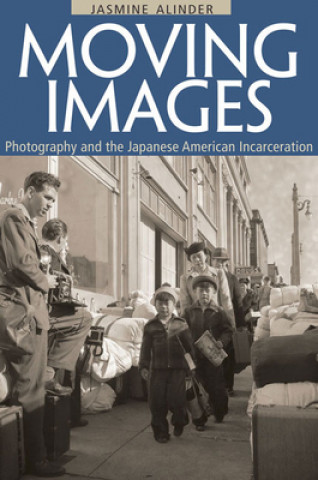
When the American government began impounding Japanese American citizens after Pearl Harbor, photography became a battleground. The control of the means of representation affected nearly every aspect of the incarceration, from the mug shots criminalizing Japanese Americans to the prohibition of cameras in the hands of inmates. The government also hired photographers to make an extensive record of the forced removal and incarceration. In this insightful study, Jasmine Alinder explores the photographic record of the imprisonment in war relocation centres such as Manzanar, Tule Lake, Jerome, and others. She investigates why photographs were made, how they were meant to function, and how they have been reproduced and interpreted subsequently by the popular press and museums in constructing versions of public history. Alinder provides calibrated readings of the photographs from this period, including works by Dorothea Lange, Ansel Adams, Manzanar camp inmate Toyo Miyatake (who constructed his own camera to document the complicated realities of camp life), and contemporary artists Patrick Nagatani and Masumi Hayashi. Illustrated with more than forty photographs, "Moving Images" reveals the significance of the camera in the process of incarceration as well as the construction of race, citizenship, and patriotism in this complex historical moment.


Sobre el libro
Inglés

Regale este libro hoy
Es fácil
1 Añadir al carrito y elegir Entregar como regalo en el checkout 2 Le enviaremos un vale 3 El libro llegará a la dirección del destinatarioTambién puede interesarle
 /
Tapa dura
208.79
€
/
Tapa dura
208.79
€


 /
Tapa blanda
49.89
€
/
Tapa blanda
49.89
€

 /
Tapa dura
14.99
€
/
Tapa dura
14.99
€
 /
Tapa blanda
34.80
€
/
Tapa blanda
34.80
€

 /
Tapa blanda
120.49
€
/
Tapa blanda
120.49
€

 /
Tapa blanda
10.69
€
/
Tapa blanda
10.69
€


 /
Tapa blanda
54.09
€
/
Tapa blanda
54.09
€











¡Hola! Soy Libroamiko, tu asesor de libros.
¿Cómo puedo ayudarte?