
 Contacto
 Cómo comprar
Entrega
Guía de compras
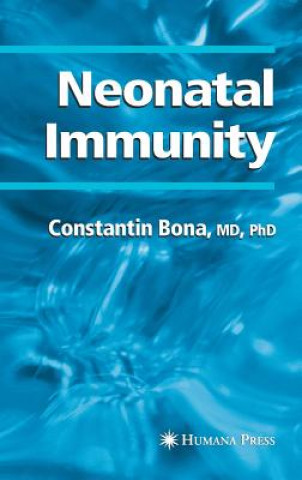
Neonatal Immunity
 Inglés
 414 b
414 b
Hasta 30 días para devoluciones
Clientes que también han comprado








 /
/
 Tapa blanda
 21.49
€
21.49
€


 /
Tapa blanda
17.89
€
/
Tapa blanda
17.89
€






 /
Tapa blanda
41.29
€
/
Tapa blanda
41.29
€





A critical review of the classic, as wells as most recent-and quite seminal-findings concerning the phenotypic and molecular characteristics of both fetal and neonatal B and T cells, the cells that mediate antibody and cellular immune responses in newborns and infants. Dr. Bona shows how the antibody response of neonates is modulated by maternal antibodies and how, in certain cases, this can cause transient or life-threatening neonatal autoimmune disease. He also describes the characteristics of neonatal tolerance induced by foreign allo- and self-antigens, which are the basis for understanding impaired infant immune response and which provide a rationale for the development of efficient neonatal vaccines. By making clear the characteristics and differences between the immune system and the immune responses of both newborns and infants, compared to those of adults, Dr. Bona offers insights and challenging hypotheses that promise to help overcome the poor responses of neonates to various antigens.New advances in cellular immunology, molecular biology, recombinant DNA and proteins, and the function of cytokines and chemokines have revolutionized the study of neonatal immune responsiveness. In Neonatal Immunity, Constantin Bona, MD, critically reviews the classic, as well as most recent-and quite seminal-findings concerning the phenotypic and molecular characteristics of both fetal and neonatal B and T cells, the cells that mediate antibody and cellular immune responses in newborns and infants. Dr. Bona shows how the antibody response of neonates is modulated by maternal antibodies and how, in certain cases, this can cause transient or life-threatening neonatal autoimmune disease. He also describes the characteristics of neonatal tolerance induced by foreign allo- and self-antigens, which are the basis for understanding impaired infant immune response and which provide a rationale for the development of efficient neonatal vaccines. By making clear the characteristics and differences between the immune system and the immune responses of both newborns and infants, compared to those of adults, Dr. Bona offers insights and challenging hypotheses that promise to help overcome the poor responses of neonates to various antigens.§Authoritative and forward-looking, Neonatal Immunity critically reviews what we know of the neonatal immune response today, and how this is dramatically opening new therapeutic horizons in such areas as infant vaccination, stem cells, gene therapy, and transplantation.


Sobre el libro
Inglés

Regale este libro hoy
Es fácil
1 Añadir al carrito y elegir Entregar como regalo en el checkout 2 Le enviaremos un vale 3 El libro llegará a la dirección del destinatarioTambién puede interesarle
 /
Tapa blanda
29.49
€
/
Tapa blanda
29.49
€









 /
Tapa blanda
10.99
€
/
Tapa blanda
10.99
€

 /
Tapa dura
49.49
€
/
Tapa dura
49.49
€
 /
Tapa blanda
34.79
€
/
Tapa blanda
34.79
€



 /
Tapa blanda
26.89
€
/
Tapa blanda
26.89
€

 /
Tapa blanda
63.49
€
/
Tapa blanda
63.49
€

¡Hola! Soy Libroamiko, tu asesor de libros.
¿Cómo puedo ayudarte?