Contacto
 Cómo comprar
Entrega
Guía de compras
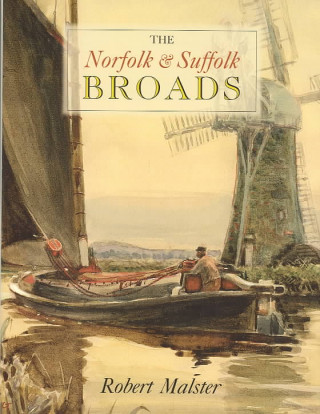
Norfolk and Suffolk Broads
 Inglés
 56 b
56 b
 Próximamente
 Fecha desconocida
Hasta 30 días para devoluciones
Clientes que también han comprado














 /
/
 Tapa blanda
 7.79
€
7.79
€
 /
Tapa blanda
15.19
€
/
Tapa blanda
15.19
€




 /
Tapa blanda
16.09
€
/
Tapa blanda
16.09
€

The Broads had their origin in medieval peat diggings, but the story of this East Anglian wetland region goes back long before the monasteries and salt production helped generate the demand for fuel that gave rise to the large-scale production of turves, as Robert Malster describes in this new history of the region. Just as the Broads themselves are former peat pits, the Broadland landscape has been shaped by man's activities over the centuries. Grazing marshes were drained and reedbeds cut to provide material for thatching, while the courses of the rivers were shortened and changed to alleviate flooding or to facilitate transport. In the 20th century changes in farming practices brought about more far-reaching alterations to the landscape at the same time that pollution and other factors threatened to desroy the rich flora and fauna that had first attracted visitors to the Broads, giving rise to a boat-hire industry that helped to sustain the local economy. As an environmental disaster was threatened, scientists sought to find out what had caused the many problems and to discover ways of combating them. With global warming and rising sea levels, is the history of the Broads coming to an end? Can this wetland region, a potential World Heritage Site, have any future?


Sobre el libro
Inglés
Categorías

Regale este libro hoy
Es fácil
1 Añadir al carrito y elegir Entregar como regalo en el checkout 2 Le enviaremos un vale 3 El libro llegará a la dirección del destinatarioTambién puede interesarle
 /
Tapa blanda
17.89
€
/
Tapa blanda
17.89
€







 /
Tapa blanda
5.89
€
/
Tapa blanda
5.89
€



 /
Tapa dura
44.59
€
/
Tapa dura
44.59
€
 /
Tapa blanda
30.19
€
/
Tapa blanda
30.19
€


 /
Tapa dura
146.79
€
/
Tapa dura
146.79
€






 /
Tapa dura
118.29
€
/
Tapa dura
118.29
€