
 Contacto
 Cómo comprar
Entrega
Guía de compras
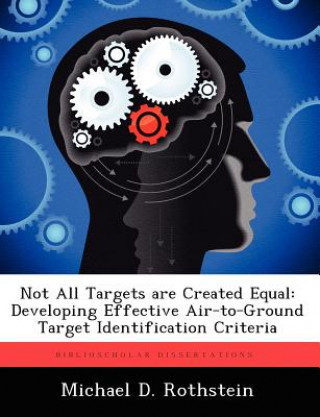
Not All Targets Are Created Equal
Developing Effective Air-To-Ground Target Identification Criteria
 Inglés
 47 b
47 b
Hasta 30 días para devoluciones
Clientes que también han comprado



 /
/
 Tapa blanda
 55.09
€
55.09
€



 /
Tapa dura
39.69
€
/
Tapa dura
39.69
€


 /
Tapa blanda
18.09
€
/
Tapa blanda
18.09
€






This thesis investigates how an air component commander integrates air-to-ground target identification criteria into combat air operations. The analytical methodology of the thesis begins by developing common attributes of effective criteria. It then uses these common attributes as a framework for comparing two different paradigms for articulating rules of engagement in this area. The first is the "positive identification" approach, indicative of recent air operations and exercises. The second paradigm, developed by the author, is one in which a commander communicates weapons system-specific criteria for each tasked target. The author has drawn upon official doctrine, personal interviews, a survey, and unclassified written documents as source material for the thesis. The thesis concludes that there should be a fundamental shift in how air commanders integrate air-to-ground target identification criteria into combat air operations. Communicating weapons system-specific criteria for each tasked target is more advantageous than using an over-arching criterion, such as "positive identification." Target-specific criteria allow a tasking commander to communicate and manage risk better based on such factors as mission priority, capabilities of delivery platforms, and the potential for collateral damage or fratricide. Furthermore, the existing air tasking order process, with minor modifications, can effectively support this approach.


Sobre el libro
Inglés
Categorías

Regale este libro hoy
Es fácil
1 Añadir al carrito y elegir Entregar como regalo en el checkout 2 Le enviaremos un vale 3 El libro llegará a la dirección del destinatarioTambién puede interesarle


 /
Tapa blanda
32.79
€
/
Tapa blanda
32.79
€




 /
Tapa blanda
7.59
€
/
Tapa blanda
7.59
€


 /
Tapa dura
42.59
€
/
Tapa dura
42.59
€






 /
Tapa blanda
18.89
€
/
Tapa blanda
18.89
€
 /
Tapa blanda
19.89
€
/
Tapa blanda
19.89
€


¡Hola! Soy Libroamiko, tu asesor de libros.
¿Cómo puedo ayudarte?