
 Contacto
 Cómo comprar
Entrega
Guía de compras
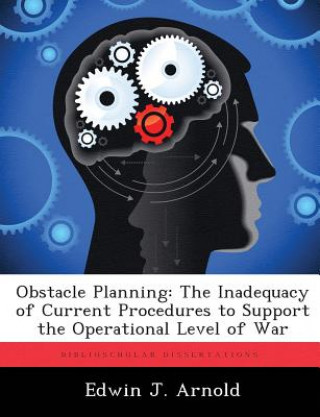
Obstacle Planning
The Inadequacy of Current Procedures to Support the Operational Level of War
 Inglés
 37 b
37 b
Hasta 30 días para devoluciones
También puede interesarle


This study examines current obstacle planning procedures to determine their adequacy for supporting the conduct of war at the operational level of war. The major premise of the paper is that obstacles can have a significant impact on military actions at the operational level of war and that planning procedures must allow the operational commander the ability to incorporate obstacles into his plans. Several historical examples from the two world wars show that obstacles have had operational impact during previous wars. The study compares current obstacle planning procedures with those which would allow the operational commander the opportunity to develop a fully integrated obstacle-maneuver plan. The analysis shows that the present procedure of top-down maneuver planning and bottom-up obstacle planning is not adequate for the needs of the operational commander. Such a system permits integration of obstacles with the maneuver plan at the tactical level but not at the operational level. The study concludes with the recommendation that obstacle planning procedures be changed to reflect top-down maneuver and obstacle planning to facilitate the complete integration of both plans at all levels. The recommended procedures incorporate operationally-significant obstacles as well as obstacle free zones.


Sobre el libro
Inglés
Categorías

Regale este libro hoy
Es fácil
1 Añadir al carrito y elegir Entregar como regalo en el checkout 2 Le enviaremos un vale 3 El libro llegará a la dirección del destinatario¡Hola! Soy Libroamiko, tu asesor de libros.
¿Cómo puedo ayudarte?