
 Contacto
 Cómo comprar
Entrega
Guía de compras
 Inglés
 359 b
359 b
Hasta 30 días para devoluciones
Clientes que también han comprado

 /
/
 Tapa blanda
 39.39
€
39.39
€



 /
Tapa blanda
14.19
€
/
Tapa blanda
14.19
€




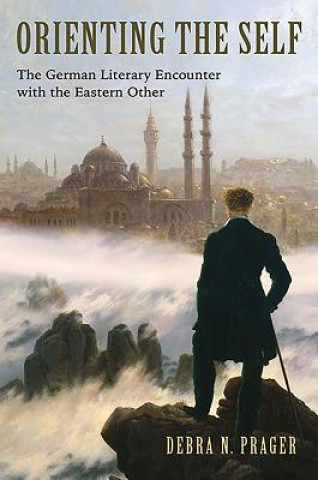
For centuries, Europe's eastward gaze has been wary if not hostile. Medieval man envisaged grotesque beings at the world's edge and scanned the steppes and straits on the immediate horizon for the Asian or Arab hordes that might swarm across them. Through the Crusades, the early modern era, and the age of imperialism, Europeans regarded the Eastern subject as requiring both "discovery" and conquest. Conveniently, the "Oriental" came to represent fanaticism, terrorism, moral laxity, and inscrutability, among other stereotypes. The list of German literary works that reinforced negative cliches about the East is long, but Orienting the Self argues for the presence in the German literary tradition of a powerful perception of the East as the scene of desire, fantasy, and fulfillment. It follows the evolution of the Orient as a literary device and demonstrates how it was used to explore subjectivity and the possibility of wholeness. The five works treated in this study - Parzival, Fortunatus, Effi Briest, Heinrich von Ofterdingen, and The Magic Mountain - are narratives of development in which the encounter with the East is central to the progression toward selfhood and the promise of fulfillment. Debra Prager is Associate Professor of German at Washington and Lee University.


Sobre el libro
Inglés

Regale este libro hoy
Es fácil
1 Añadir al carrito y elegir Entregar como regalo en el checkout 2 Le enviaremos un vale 3 El libro llegará a la dirección del destinatarioTambién puede interesarle
 /
Tapa dura
137.69
€
/
Tapa dura
137.69
€


 /
Tapa blanda
11.19
€
/
Tapa blanda
11.19
€

¡Hola! Soy Libroamiko, tu asesor de libros.
¿Cómo puedo ayudarte?