
 Contacto
 Cómo comprar
Entrega
Guía de compras
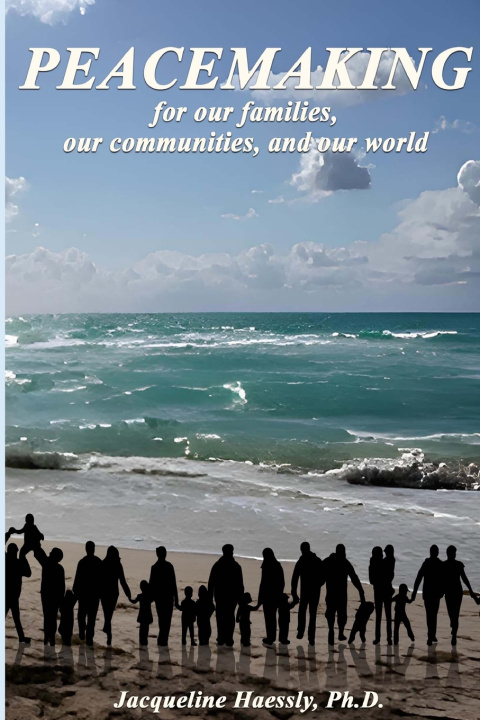
Peacemaking for our families, our communities, and our world
 Inglés
 65 b
65 b
Política de devolución de 30 días

Peacemaking for our families, our communities, and our world builds upon an earlier work, Peacemaking: Family Activities for Justice and Peace, first published by Paulist Press in 1980.
This book commemorates the 45th anniversary of the publication of the earlier book and addresses a number of current challenges facing families and others in their communities and our world as we embrace opportunities and move with hope into the next decades of the 21st Century.
Parents, educators, and community leaders may find the activities in a companion book, Peacemaking: Family Activities for Justice and Peace, Vol. 2 (2012) helpful, with 100+ peacemaking activities for all ages, some light and lively and some calling for deeper understanding.
From the FOREWORD by Patricia Mische
Families form the foundation of the first and primary learning and nurturing communities. What is learned in families shapes not only the well-being of those families, but taken collectively, also shapes cultures at local, national, and global levels. Indeed, what is learned in families shapes the future of planet Earth. A deepened consciousness of our one living planet with which all human communities coexist and bear responsibility to uphold the common good, begins at the micro level of each family and from there can expand to an embrace and commitment to our planetary family.
In the decades since Peacemaking: Family Activities for Justice and Peace was first published in 1980, significant progress has been made in advancing policies that support peace, social justice, and ecological security at local, national, and global levels. But in recent years, this progress has been undermined by harmful, even destructive, forces overturning these policies, sowing misinformation, mistrust, fear, and greed. The result has been increasing division, violence, and suffering in human communities, striking at the very heart of families and their future.
Thus, this new book comes at a time of critical need. When the original book was first published 45 years ago it was a major contribution to the field of peace and justice work, and it remains so today. It is my profound hope that this revised book about peace and the family will have not only a wide readership, but that readers will integrate the ideas in this book into their daily family life, and that this, in turn, will empower their family to contribute to the development of a beloved and loving planetary community.
Patricia Mische


Sobre el libro
Inglés
