Contacto
 Cómo comprar
Entrega
Guía de compras
 Inglés
 137 b
137 b
Hasta 30 días para devoluciones
Clientes que también han comprado



 /
/
 Tapa blanda
 27.69
€
27.69
€








 /
Tapa blanda
13.09
€
/
Tapa blanda
13.09
€






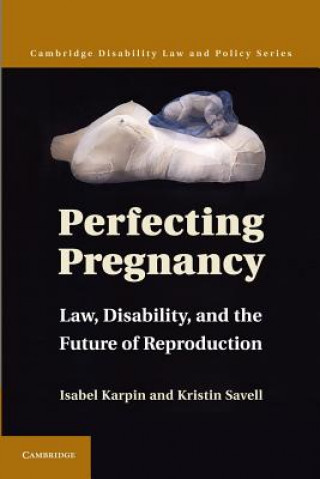
Prenatal and preimplantation testing technologies have offered unprecedented access to information about the genetic and congenital makeup of our prospective progeny. Future developments such as preconception testing, non-intrusive prenatal testing and more extensive preimplantation testing promise to increase that access further still. The result may be greater reproductive choice, but it also increases the burden on women and men to avail themselves of these technologies in order to avoid having a child with a disability. The overwhelming question for legislators has been whether and, if so, how to regulate the use of these technologies in the face of compelling but seemingly contradictory claims about the advancement of reproductive choice and the dangers of eugenic or discriminatory effects. This book examines the evolution of this legislative oversight across a number of jurisdictions and explores the tensions and ambiguities that inform these laws.


Sobre el libro
Inglés
Categorías

Regale este libro hoy
Es fácil
1 Añadir al carrito y elegir Entregar como regalo en el checkout 2 Le enviaremos un vale 3 El libro llegará a la dirección del destinatarioTambién puede interesarle

 /
Tapa blanda
220.99
€
/
Tapa blanda
220.99
€