
 Contacto
 Cómo comprar
Entrega
Guía de compras
PKU Paradox
 Inglés
 87 b
87 b
Hasta 30 días para devoluciones
Clientes que también han comprado








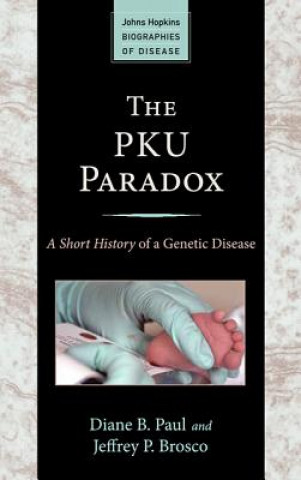
In a lifetime of practice, most physicians will never encounter a single case of PKU. Yet every physician in the industrialized world learns about the disease in medical school and, since the early 1960s, the newborn heel stick test for PKU has been mandatory in many countries. Diane B. Paul and Jeffrey P. Brosco's beautifully written book explains this paradox. PKU (phenylketonuria) is a genetic disorder that causes severe cognitive impairment if it is not detected and treated with a strict and difficult diet. Programs to detect PKU and start treatment early are deservedly considered a public health success story. Some have traded on this success to urge expanded newborn screening, defend basic research in genetics, and confront proponents of genetic determinism. In this context, treatment for PKU is typically represented as a simple matter of adhering to a low-phenylalanine diet. In reality, the challenges of living with PKU are daunting. In this first general history of PKU, a historian and a pediatrician explore how a rare genetic disease became the object of an unprecedented system for routine testing. The PKU Paradox is informed by interviews with scientists, clinicians, policymakers, and individuals who live with the disease. The questions it raises touch on ongoing controversies about newborn screening and what happens to blood samples collected at birth.


Sobre el libro
Inglés

Regale este libro hoy
Es fácil
1 Añadir al carrito y elegir Entregar como regalo en el checkout 2 Le enviaremos un vale 3 El libro llegará a la dirección del destinatarioTambién puede interesarle






¡Hola! Soy Libroamiko, tu asesor de libros.
¿Cómo puedo ayudarte?