
 Contacto
 Cómo comprar
Entrega
Guía de compras
 Inglés
 37 b
37 b
 Nuevo
Nuevo
Hasta 30 días para devoluciones

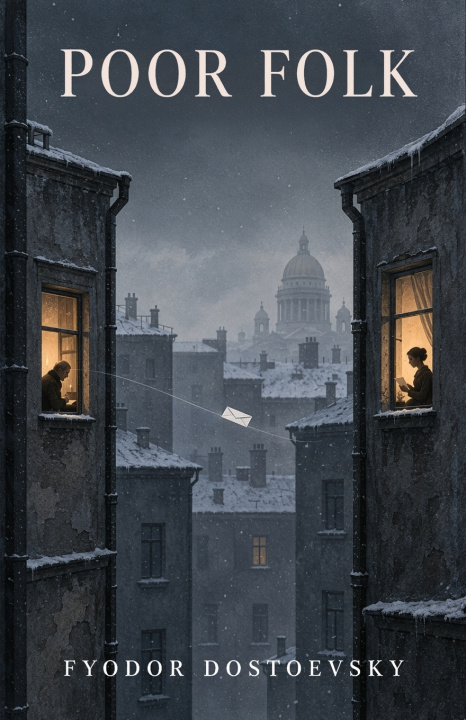
Through an exchange of letters, impoverished copyist Makar Devushkin and young Varvara Dobroselova share hardship, affection, books, memories, and fragile hopes in Saint Petersburg. Living close to one another yet separated by circumstance, they turn to correspondence for companionship and comfort as each struggles against poverty, uncertainty, and the judgment of those around them.
Their letters transform the practical details of poverty-rent, clothing, food, illness, employment, and reputation-into intensely personal concerns. A new coat can become a question of dignity. A gift can represent both tenderness and sacrifice. Even a few coins may carry consequences far beyond their monetary value. Through these ordinary pressures, Dostoevsky reveals how economic hardship reaches into relationships, self-respect, and the way people see themselves.
At the center of the novel is the complicated bond between Makar and Varvara. Their affection emerges through what they reveal, conceal, misunderstand, and give up for one another. Makar desperately tries to preserve his dignity while offering Varvara what little help he can afford, even when generosity threatens his own security. Varvara's letters, meanwhile, reveal memories and circumstances that gradually narrow the possibilities available to her.
Books and writing themselves become part of their relationship. The characters read, exchange opinions about literature, and use letters to construct private spaces in which they can speak more freely than their social circumstances ordinarily allow. Yet correspondence cannot remove the material realities surrounding them. The outside world continually intrudes upon the refuge they have created.
First published in 1846, Poor Folk was Fyodor Dostoevsky's first novel and brought the young author immediate attention in Russian literary circles. Written entirely through letters, the novel already displays concerns that would recur throughout his later work: poverty and humiliation, moral responsibility, wounded pride, compassion, isolation, and the struggle to preserve human dignity under degrading circumstances.
Intimate rather than epic, Poor Folk finds its drama in small sacrifices and accumulating pressures. Dostoevsky gives emotional weight to lives that society can easily overlook, creating a portrait of two vulnerable people trying to protect one another while possessing very little power over their own circumstances. The result is a moving early work about poverty, longing, and the fragile hope that human connection can provide when almost everything else has been stripped away.


Sobre el libro
Inglés

Regale este libro hoy
Es fácil
1 Añadir al carrito y elegir Entregar como regalo en el checkout 2 Le enviaremos un vale 3 El libro llegará a la dirección del destinatario¡Hola! Soy Libroamiko, tu asesor de libros.
¿Cómo puedo ayudarte?