
 Contacto
 Cómo comprar
Entrega
Guía de compras
 Inglés
 122 b
122 b
Hasta 30 días para devoluciones
Clientes que también han comprado



















 /
/
 Tapa blanda
 11.59
€
11.59
€

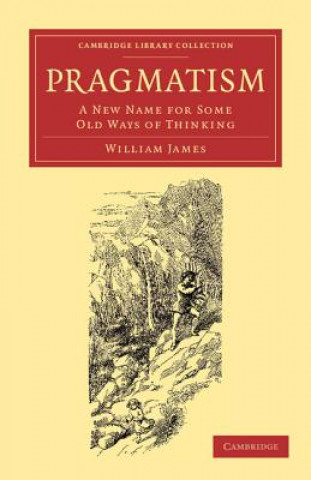
One of the great American pragmatic philosophers alongside Peirce and Dewey, William James (1842–1910) delivered these eight lectures in Boston and New York in the winter of 1906–7. Though he credits Peirce with coining the term 'pragmatism', James highlights in his subtitle that this 'new name' describes a philosophical temperament as old as Socrates. The pragmatic approach, he says, takes a middle way between rationalism's airy principles and empiricism's hard facts. James' pragmatism is both a method of interpreting ideas by their practical consequences and an epistemology which identifies truths according to their useful outcomes. Furnished with many examples, the lectures illustrate pragmatism's response to classic problems such as the question of free will versus determinism. Published in 1907, this work further develops James's approach to religion and morality, introduced in The Will to Believe (1897) and The Varieties of Religious Experience (1902), both reissued in this series.


Sobre el libro
Inglés

Regale este libro hoy
Es fácil
1 Añadir al carrito y elegir Entregar como regalo en el checkout 2 Le enviaremos un vale 3 El libro llegará a la dirección del destinatarioTambién puede interesarle


 /
Tapa blanda
8.09
€
/
Tapa blanda
8.09
€





 /
Tapa blanda
10.69
€
/
Tapa blanda
10.69
€
 /
Tapa blanda
17.29
€
/
Tapa blanda
17.29
€
 /
Tapa blanda
28.79
€
/
Tapa blanda
28.79
€

 /
Anillas de fijación
109.89
€
/
Anillas de fijación
109.89
€

 /
Tapa blanda
15.79
€
/
Tapa blanda
15.79
€


¡Hola! Soy Libroamiko, tu asesor de libros.
¿Cómo puedo ayudarte?