
 Contacto
 Cómo comprar
Entrega
Guía de compras
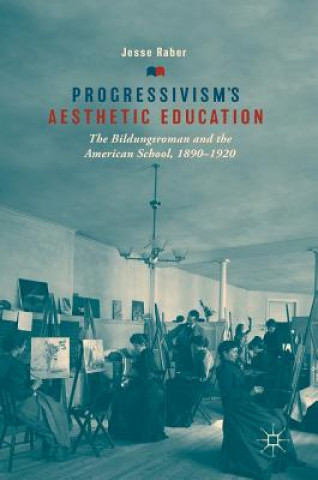
Progressivism's Aesthetic Education
The Bildungsroman and the American School, 1890-1920
 Inglés
 213 b
213 b
Hasta 30 días para devoluciones
Clientes que también han comprado



During the Progressive Era in the United States, as teaching became professionalized and compulsory attendance laws were passed, the public school emerged as a cultural authority. What did accepting this authority mean for Americans' conception of self-government and their freedom of thought? And what did it mean for the role of artists and intellectuals within democratic society? Jesse Raber argues that the bildungsroman negotiated this tension between democratic autonomy and cultural authority, reprising an old role for the genre in a new social and intellectual context. Considering novels by Abraham Cahan, Willa Cather, and Charlotte Perkins Gilman alongside the educational thought of John Dewey, the Montessorians, the American Herbartians, and the social efficiency educators, Raber traces the development of an aesthetics of social action. Richly sourced and vividly narrated, this book is a creative intervention in the fields of literary criticism, pragmatic philosophy, aesthetic theory, and the history of education.


Sobre el libro
Inglés
Categorías

Regale este libro hoy
Es fácil
1 Añadir al carrito y elegir Entregar como regalo en el checkout 2 Le enviaremos un vale 3 El libro llegará a la dirección del destinatarioTambién puede interesarle


¡Hola! Soy Libroamiko, tu asesor de libros.
¿Cómo puedo ayudarte?