Contacto
 Cómo comprar
Entrega
Guía de compras
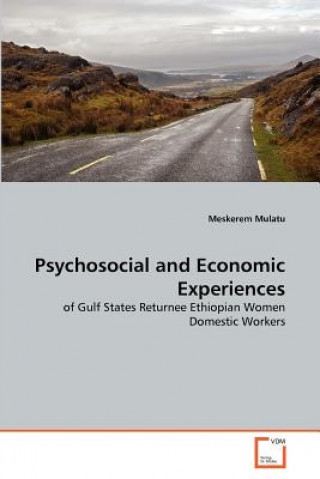
Psychosocial and Economic Experiences
of Gulf States Returnee Ethiopian Women Domestic Workers
 Inglés
 155 b
155 b
Hasta 30 días para devoluciones
Clientes que también han comprado













 /
/
 Tapa blanda
 55.19
€
55.19
€


Different scholars argue that domestic labour migration is a modern way of slave trade. In the Contemporary Ethiopia, domestic labour is the experiences of the majority of Ethiopian women who migrate to Bahrain, Kuwait, Lebanon, Oman, Qatar, Saudi Arabia, and United Arab Emirates for economic purposes. Similar to the feminization nature of poverty, the feminization natures of migration exceptionally affect Ethiopian women in different aspects. Absolute poverty, lack of formal education, consequences of harmful traditional practices like early marriage, societal discrimination against women, widowhood, divorce, separation or abandonment and unemployment are factors, among others, which leave women economically weak. As a result, women could be vulnerable to further problems that force them to migrate (legally or illegally) in search of wage labour where they must accept any substandard employment in order to survive. Though the working environment in the country of destination is not favorable, women domestic workers are forced to work under harsh condition to principally fulfill the economic demands of their parents as well as themselves.


Sobre el libro
Inglés

Regale este libro hoy
Es fácil
1 Añadir al carrito y elegir Entregar como regalo en el checkout 2 Le enviaremos un vale 3 El libro llegará a la dirección del destinatarioTambién puede interesarle



 /
Tapa blanda
28.79
€
/
Tapa blanda
28.79
€



 /
Tapa blanda
10.69
€
/
Tapa blanda
10.69
€





 /
Tapa blanda
7.19
€
/
Tapa blanda
7.19
€

 /
Tapa dura
30.79
€
/
Tapa dura
30.79
€




 /
Tapa dura
52.49
€
/
Tapa dura
52.49
€