
 Contacto
 Cómo comprar
Entrega
Guía de compras
 Inglés
 46 b
46 b
Política de devolución de 30 días
Clientes que también han comprado



 /
/
 Tapa blanda
 13.49
€
13.49
€



 /
/
 Adobe ePub DRM
5.59
€
Adobe ePub DRM
5.59
€










 /
Tapa blanda
13.19
€
/
Tapa blanda
13.19
€









 /
Tapa blanda
33.29
€
/
Tapa blanda
33.29
€





 /
Tapa blanda
17.09
€
/
Tapa blanda
17.09
€


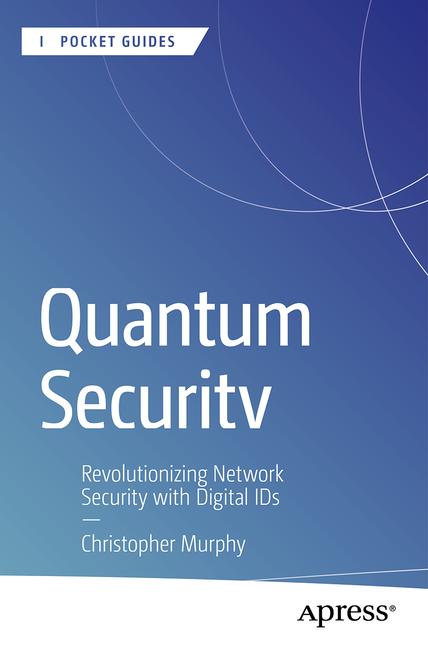
In a world where cybersecurity threats evolve daily, it's time to leave traditional, flawed security models behind. This book introduces a groundbreaking approach that applies the quantum principle of superposition to user authentication. Just as a particle exists in multiple states until observed, a user's presence on a network remains undefined until their Digital ID is verified. Once verified, their identity collapses into a single truth-eliminating any risk of impersonation or fraud.
This book demonstrates how Digital IDs transform the very foundation of network security. Unlike conventional methods, where user identity is indirectly represented through data, this model ties a user's existence directly to their Digital ID. By securing user presence-and absence-this new authentication model offers unparalleled protection from unauthorized access and common cyber threats like stolen credentials or malicious impersonation.
It equips cybersecurity professionals, C-suite executives, and decision-makers with practical, actionable steps for seamlessly integrating this new technology into existing infrastructures. Readers will explore how Digital IDs create a secure, private interface when connected to the network, and how they prevent unauthorized actions when the user is absent. This innovative shift moves security from reactive mitigation strategies to proactive solutions that ensure both trust and control.
What You Will Learn:
- The difference between indirect and direct authentication and how the current cybersecurity approach is fundamentally flawed.
- Practical steps for implementing digital IDs and direct user interaction to eliminate common cyber threats.
- How to shift from reactive mitigation strategies to proactive, long-term security solutions that significantly reduce vulnerabilities.
- Straightforward, actionable insights on how to transform current cybersecurity infrastructures for more robust protection.
Who This Book is for:
This book is written primarily for cybersecurity professionals such as CISOs, CTOs, CIOs, network architects, and IT security managers. These readers have a deep understanding of current cybersecurity challenges but are seeking innovative, more effective solutions to overcome systemic flaws in today's network security models.
Secondary audiences include business leaders and decision-makers in organizations, who need to understand the strategic importance of cybersecurity innovations like Digital IDs and Direct User Interaction. Tertiary audiences might include students or researchers in cybersecurity who want to explore alternative security models.


Sobre el libro
Inglés
Categorías

Regale este libro hoy
Es fácil
1 Añadir al carrito y elegir Entregar como regalo en el checkout 2 Le enviaremos un vale 3 El libro llegará a la dirección del destinatarioTambién puede interesarle

 /
Tapa dura
133.39
€
/
Tapa dura
133.39
€

 /
Tapa dura
171.99
€
/
Tapa dura
171.99
€




 /
Tapa blanda
18.89
€
/
Tapa blanda
18.89
€
 /
Tapa blanda
33.89
€
/
Tapa blanda
33.89
€











 /
Tapa blanda
25.99
€
/
Tapa blanda
25.99
€


¡Hola! Soy Libroamiko, tu asesor de libros.
¿Cómo puedo ayudarte?