
 Contacto
 Cómo comprar
Entrega
Guía de compras
 Inglés
 88 b
88 b
Hasta 30 días para devoluciones
Clientes que también han comprado






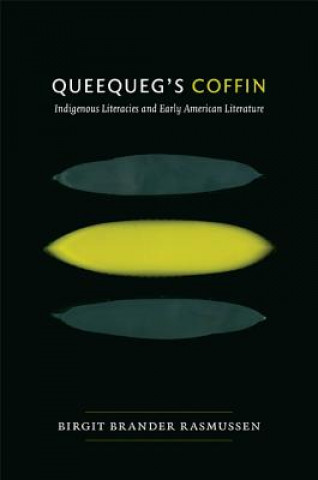
The confrontation between European and native peoples in the Americas is often portrayed as a conflict between literate civilization and illiterate savages. That perception ignores the many indigenous forms of writing that were not alphabet-based, like Mayan pictoglyphs, Iroquois wampum, Ojibwe birchbark scrolls, and Incan quipus. Queequeg's Coffin offers a new definition of writing that comprehends the dazzling diversity of literature in the Americas before and after European arrivals. From a 1645 French-Haudenosaunee Peace Council to Herman Melville's youthful encounters with Polynesian "hieroglyphics," this groundbreaking study recovers previously overlooked moments of textual reciprocity in the colonial sphere. By recovering the literatures and textual practices that were indigenous to the Americas, Brigit Brander Rasmussen re-imagines the colonial conflict as one organized by alternative but equally rich forms of literacy. From Central Mexico to the Northeastern shores, in the Andes and across the American continents, indigenous people and European newcomers engaged each other in dialogues about ways of writing and recording knowledge. In Queequeg's Coffin, such exchanges become the foundation for a new kind of early American literary studies.


Sobre el libro
Inglés
Categorías

Regale este libro hoy
Es fácil
1 Añadir al carrito y elegir Entregar como regalo en el checkout 2 Le enviaremos un vale 3 El libro llegará a la dirección del destinatarioTambién puede interesarle



¡Hola! Soy Libroamiko, tu asesor de libros.
¿Cómo puedo ayudarte?