
 Contacto
 Cómo comprar
Entrega
Guía de compras
 Inglés
 374 b
374 b
Hasta 30 días para devoluciones
Clientes que también han comprado





 /
/
 Tapa blanda
 14.96
€
14.96
€












 /
Tapa blanda
42.69
€
/
Tapa blanda
42.69
€




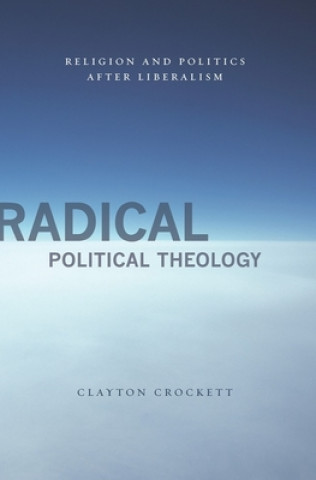
In the 1960s, the strict opposition between the religious and the secular began to break down, blurring the distinction between political philosophy and political theology. This collapse contributed to the decline of modern liberalism, which supported a neutral, value-free space for capitalism. It also deeply unsettled political, religious, and philosophical realms, forced to confront the conceptual stakes of a return to religion. Gamely intervening in a contest that defies simple resolutions, Clayton Crockett conceives of the postmodern convergence of the secular and the religious as a basis for emancipatory political thought. Engaging themes of sovereignty, democracy, potentiality, law, and event from a religious and political point of view, Crockett articulates a theological vision that responds to our contemporary world and its theo-political realities. Specifically, he claims we should think about God and the state in terms of potentiality rather than sovereign power. Deploying new concepts, such as Slavoj Zizek's idea of parallax and Catherine Malabou's notion of plasticity, his argument engages with debates over the nature and status of religion, ideology, and messianism. Tangling with the work of Derrida, Deleuze, Spinoza, Antonio Negri, Giorgio Agamben, Alain Badiou, John D. Caputo, and Catherine Keller, Crockett concludes with a reconsideration of democracy as a form of political thought and religious practice, underscoring its ties to modern liberal capitalism while also envisioning a more authentic democracy unconstrained by those ties.


Sobre el libro
Inglés

Regale este libro hoy
Es fácil
1 Añadir al carrito y elegir Entregar como regalo en el checkout 2 Le enviaremos un vale 3 El libro llegará a la dirección del destinatarioTambién puede interesarle



 /
Tapa dura
252.29
€
/
Tapa dura
252.29
€









 /
Tapa dura
80.99
€
/
Tapa dura
80.99
€




¡Hola! Soy Libroamiko, tu asesor de libros.
¿Cómo puedo ayudarte?