Contacto
 Cómo comprar
Entrega
Guía de compras
 Inglés
 352 b
352 b
Hasta 30 días para devoluciones
Clientes que también han comprado








 /
/
 Tapa dura
 152.09
€
152.09
€





 /
Tapa blanda
13.19
€
/
Tapa blanda
13.19
€








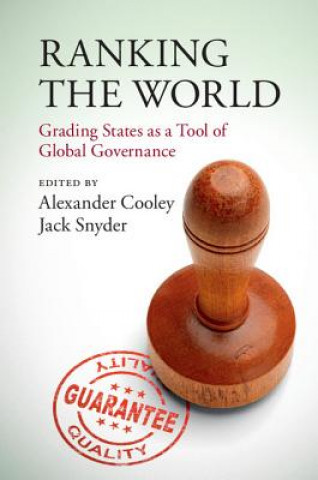
Over the last decade international rankings have emerged as a critical tool used by international actors engaged in global governance. State practices and performance are now judged by a number of high profile indexes, including assessments of their levels of corruption, quality of democracy, creditworthiness, media freedom, and business environment. However, these rankings always carry value judgments, methodological choices, and implicit political agendas. This volume expertly addresses the important analytical, normative and policy issues associated with the contemporary practice of 'grading states'. The chapters explore how rankings affect our perceptions about state performance, how states react to being ranked, why some rankings exert more global influence than others, and how states have come to strategize and respond to these public judgments. It also critically examines how treating state rankings like popular consumer choice indexes may actually lead policymakers to internalize questionable normative assumptions and lead to poorer, not improved, public policy outcomes.


Sobre el libro
Inglés

Regale este libro hoy
Es fácil
1 Añadir al carrito y elegir Entregar como regalo en el checkout 2 Le enviaremos un vale 3 El libro llegará a la dirección del destinatarioTambién puede interesarle


 /
Tapa blanda
54.89
€
/
Tapa blanda
54.89
€








 /
Tapa blanda
15.79
€
/
Tapa blanda
15.79
€




 /
Tapa blanda
15.79
€
/
Tapa blanda
15.79
€

 /
Tapa blanda
10.69
€
/
Tapa blanda
10.69
€




 /
Tapa dura
89.49
€
/
Tapa dura
89.49
€