Contacto
 Cómo comprar
Entrega
Guía de compras
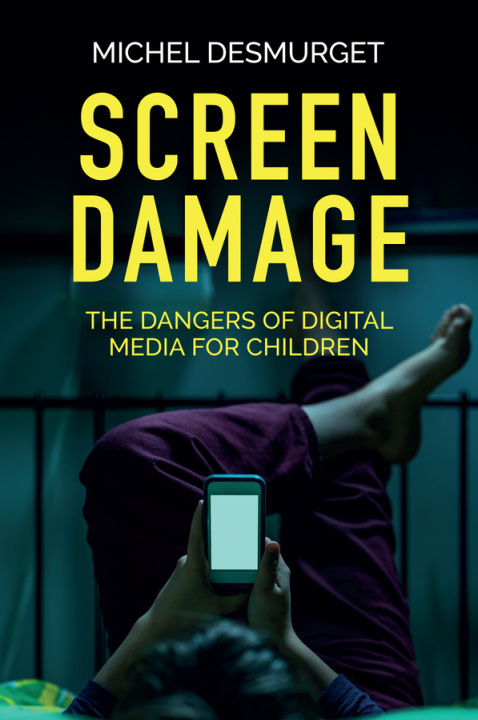
Screen Damage - The Dangers of Digital Media for Children
 Inglés
 63 b
63 b
Política de devolución de 30 días
Clientes que también han comprado























 /
/
 Tapa blanda
 14.19
€
14.19
€


 /
/
 CD de audio
17.89
€
CD de audio
17.89
€






All forms of recreational digital consumption - whether on smartphones, tablets, game consoles or TVs - have skyrocketed in the younger generations. From the age of 2, children in the West clock up more than 2.5 hours of screen time a day; by the time they reach 13, it's more than 7 hours a day. Added up over the first 18 years of life, this is the equivalent of almost 30 school years, or 15 years of full-time employment.Most media experts do not seem overly concerned about this situation: children are adaptable, they say, they are 'digital natives', their brains have changed and screens make them smarter. But other specialists - including some paediatricians, psychiatrists, teachers and speech therapists - dispute these claims, and many parents worry about the long-term consequences of their children's intensive exposure to screens.Michel Desmurget, a leading neuroscientist, has carefully weighed up the scientific evidence concerning the impact of the digital activities of our children and adolescents, and his assessment does not make for happy reading: he shows that these activities have significant detrimental consequences in terms of the health, behaviour and intellectual abilities of young people, and strongly affect their academic outcomes.A wake-up call for anyone concerned about the long-term impacts of our children's over-exposure to screens.


Sobre el libro
Inglés

Regale este libro hoy
Es fácil
1 Añadir al carrito y elegir Entregar como regalo en el checkout 2 Le enviaremos un vale 3 El libro llegará a la dirección del destinatarioTambién puede interesarle


 /
Tapa blanda
9.79
€
/
Tapa blanda
9.79
€


 /
Tapa blanda
8.89
€
/
Tapa blanda
8.89
€

 /
Tapa dura
31.79
€
/
Tapa dura
31.79
€













 /
Tapa blanda
18.09
€
/
Tapa blanda
18.09
€
 /
Tapa dura
21.19
€
/
Tapa dura
21.19
€