
 Contacto
 Cómo comprar
Entrega
Guía de compras
Secular Powers
 Inglés
 134 b
134 b
Hasta 30 días para devoluciones
Clientes que también han comprado


 /
/
 Tapa blanda
 37.39
€
37.39
€












 /
/
 Calendario
31.29
€
Calendario
31.29
€















 /
Tapa blanda
20.89
€
/
Tapa blanda
20.89
€

 /
Tapa blanda
15.09
€
/
Tapa blanda
15.09
€

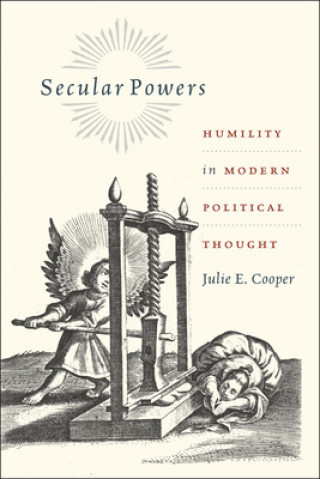
Secularism is usually thought to contain the project of self-deification, in which humans attack God's authority in order to take his place. Julie E. Cooper overturns this conception through an incisive analysis of the early modern justifications for secular politics. While she agrees that secularism is a means of empowerment, she argues that we have misunderstood the sources of secular empowerment and the kinds of strength to which it aspires. Contemporary understandings of secularism, Cooper contends, have been shaped by a limited understanding of it as a shift from vulnerability to power. But the works of the foundational thinkers of secularism tell a different story. Analyzing the writings of Hobbes, Spinoza, and Rousseau at the moment of secularity's inception, she shows that all three understood that acknowledging one's limitations was a condition of successful self-rule. And while all three invited humans to collectively build and sustain a political world, their invitations did not amount to self-deification. Cooper establishes that secular politics as originally conceived does not require a choice between power and vulnerability. Rather, it challenges us - today as then - to reconcile them both as essential components of our humanity.


Sobre el libro
Inglés

Regale este libro hoy
Es fácil
1 Añadir al carrito y elegir Entregar como regalo en el checkout 2 Le enviaremos un vale 3 El libro llegará a la dirección del destinatarioTambién puede interesarle


 /
Tapa dura
169.09
€
/
Tapa dura
169.09
€




 /
Tapa blanda
17.19
€
/
Tapa blanda
17.19
€




 /
Tapa blanda
10.69
€
/
Tapa blanda
10.69
€







 /
Tapa dura
337.89
€
/
Tapa dura
337.89
€