Contacto
 Cómo comprar
Entrega
Guía de compras
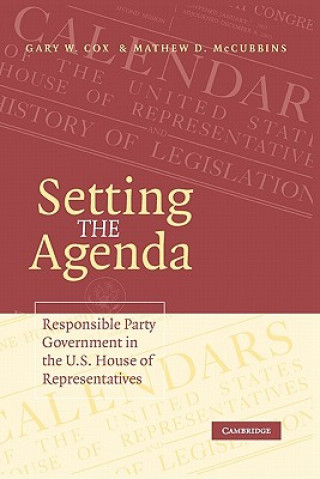
Setting the Agenda
Responsible Party Government in the U.S. House of Representatives
 Inglés
 112 b
112 b
Hasta 30 días para devoluciones
Clientes que también han comprado



Scholars of the U.S. House disagree over the importance of political parties in organizing the legislative process. On the one hand, non-partisan theories stress how congressional organization serves members' non-partisan goals. On the other hand, partisan theories argue that the House is organized to serve the collective interests of the majority party. This book advances our partisan theory and presents a series of empirical tests of that theory's predictions (pitted against others). It considers why procedural cartels form, arguing that agenda power is naturally subject to cartelization in busy legislatures. It argues that the majority party has cartelized agenda power in the U.S. House since the adoption of Reed's rules in 1890. The evidence demonstrates that the majority party seizes agenda control at nearly every stage of the legislative process in order to prevent bills that the party dislikes from reaching the floor.


Sobre el libro
Inglés