
 Contacto
 Cómo comprar
Entrega
Guía de compras
Sink or Swim
 Inglés
 286 b
286 b
Hasta 30 días para devoluciones
Clientes que también han comprado





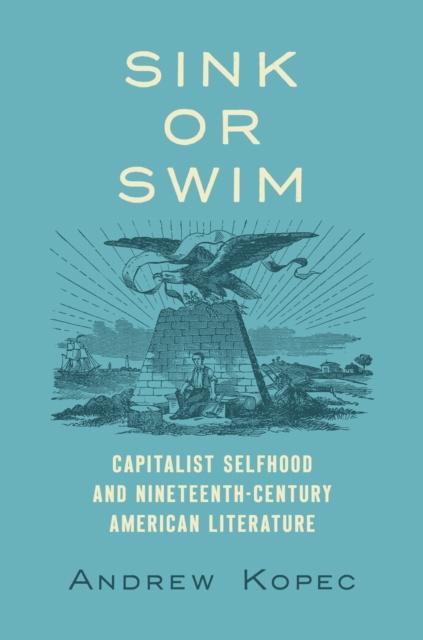
People living in the nineteenth-century United States saw shocking upheavals in both the economy and in ideas of selfhood in a commercial society. Narratives such as Horatio Alger's rags-to-riches tales allured Americans with visions of financial success, while events such as the Panics of 8 9, 837, 857, and 8 5 threatened them with sudden and devastating financial failure. The antebellum period's "go-ahead" ethos encouraged individuals to form an identity amid this chaos by striving for financial success through risk-taking—that is, to form a capitalist self. Andrew Kopec argues that writers of this era were not immune to this business turbulence rather, their responses to it shaped the development of American literature. By examining the public and private writings of well-known American writers—including Washington Irving, Catharine Maria Sedgwick, Nathaniel Hawthorne, Herman Melville, and Frederick Douglass—Kopec contends that, instead of anxiously retreating from the volatile market, these figures deliberately engaged with it in their writing. These writers grappled with both the limits and opportunities of capitalist selfhood and tried, in various ways, to harness the economy's energies for the benefit of the self. In making this argument, Kopec invites readers to consider how this era of American literature questioned the ideologies of capitalist identity that seem inescapable today.


Sobre el libro
Inglés
Categorías

Regale este libro hoy
Es fácil
1 Añadir al carrito y elegir Entregar como regalo en el checkout 2 Le enviaremos un vale 3 El libro llegará a la dirección del destinatarioTambién puede interesarle




¡Hola! Soy Libroamiko, tu asesor de libros.
¿Cómo puedo ayudarte?