
 Contacto
 Cómo comprar
Entrega
Guía de compras
 Inglés
 195 b
195 b
Hasta 30 días para devoluciones
Clientes que también han comprado











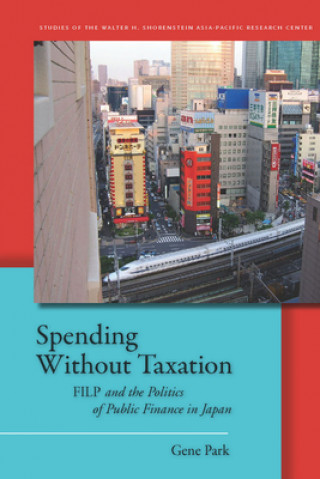
Governments confront difficult political choices when they must determine how to balance their spending. But what would happen if a government found a means of spending without taxation? In this book, Gene Park demonstrates how the Japanese government established and mobilized an enormous off-budget spending system, the Fiscal Investment Loan Program (FILP), which drew on postal savings, public pensions, and other funds to pay for its priorities and reduce demands on the budget. Park's book argues that this system underwrote a distinctive postwar political bargain, one that eschewed the rise of the welfare state and Keynesianism, but that also came with long-term political and economic costs that continue to this day. By drawing attention to FILP, this study resolves key debates in Japanese politics and also makes a larger point about public finance, demonstrating that governments can finance their activities not only through taxes but also through financial mechanisms to allocate credit and investment. Such "policy finance" is an important but often overlooked form of public finance that can change the political calculus of government fiscal choices.


Sobre el libro
Inglés

Regale este libro hoy
Es fácil
1 Añadir al carrito y elegir Entregar como regalo en el checkout 2 Le enviaremos un vale 3 El libro llegará a la dirección del destinatarioTambién puede interesarle


 /
/
 Tapa blanda
 267.99
€
267.99
€