Contacto
 Cómo comprar
Entrega
Guía de compras
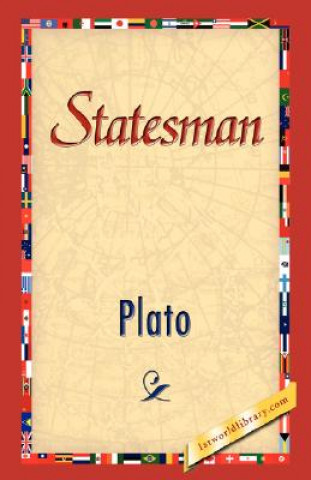
Statesman
 Inglés
 32 b
32 b
Hasta 30 días para devoluciones
Clientes que también han comprado


 /
/
 Tapa blanda
 33.09
€
33.09
€



 /
Tapa blanda
13.39
€
/
Tapa blanda
13.39
€



















 /
Tapa blanda
15.39
€
/
Tapa blanda
15.39
€

 /
Tapa blanda
29.49
€
/
Tapa blanda
29.49
€





In the Phaedrus, the Republic, the Philebus, the Parmenides, and the Sophist, we may observe the tendency of Plato to combine two or more subjects or different aspects of the same subject in a single dialogue. In the Sophist and Statesman especially we note that the discussion is partly regarded as an illustration of method, and that analogies are brought from afar which throw light on the main subject. And in his later writings generally we further remark a decline of style, and of dramatic power; the characters excite little or no interest, and the digressions are apt to overlay the main thesis; there is not the 'callida junctura' of an artistic whole. Both the serious discussions and the jests are sometimes out of place. The invincible Socrates is withdrawn from view; and new foes begin to appear under old names. Plato is now chiefly concerned, not with the original Sophist, but with the sophistry of the schools of philosophy, which are making reasoning impossible; and is driven by them out of the regions of transcendental speculation back into the path of common sense. A logical or psychological phase takes the place of the doctrine of Ideas in his mind. He is constantly dwelling on the importance of regular classification, and of not putting words in the place of things. He has banished the poets, and is beginning to use a technical language. He is bitter and satirical, and seems to be sadly conscious of the realities of human life.


Sobre el libro
Inglés