
 Contacto
 Cómo comprar
Entrega
Guía de compras
 Inglés
 289 b
289 b
Hasta 30 días para devoluciones
Clientes que también han comprado


















 /
/
 Tapa blanda
 75.69
€
75.69
€


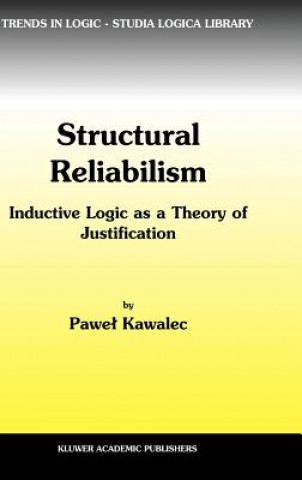
Kawalec's monograph is a novel defence of the programme of inductive logic, developed initially by Rudolf Carnap in the 1950s and Jaakko Hintikka in the 1960s. It revives inductive logic by bringing out the underlying epistemology. The main strength of the work is its link between inductive logic and contemporary discussions of epistemology. Through this perspective the author succeeds to shed new light on the significance of inductive logic. The resulting structural reliabilist theory propounds the view that justification supervenes on syntactic and semantic properties of sentences as justification-bearers. The claim is made that this sets up a genuine alternative to the prevailing theories of justification. Kawalec substantiates this claim by confronting structural reliabilism with a number of epistemological problems. Kawalec writes in a clear manner, makes his theses and arguments explicit, and gives ample bibliographical references. Kawalec's monograph is a novel defence of the programme of inductive logic, developed initially by Rudolf Carnap in the 1950s and Jaakko Hintikka in the 1960s. It revives inductive logic by bringing out the underlying epistemology. The main strength of the work is its link between inductive logic and contemporary discussions of epistemology. Through this perspective the author succeeds to shed new light on the significance of inductive logic. The resulting structural reliabilist theory propounds the view that justification supervenes on syntactic and semantic properties of sentences as justification-bearers. The claim is made that this sets up a genuine alternative to the prevailing theories of justification. Kawalec substantiates this claim by confronting structural reliabilism with a number of epistemological problems. Therefore, the book is interesting for philosophers of science dealing with problems of induction, but it will also appeal to readers working in the theory of knowledge. Kawalec writes in a clear manner, makes his theses and arguments explicit, and gives ample bibliographical references. The book will be a valuable companion to graduate and postgraduate courses on inductive logic.


Sobre el libro
Inglés

Regale este libro hoy
Es fácil
1 Añadir al carrito y elegir Entregar como regalo en el checkout 2 Le enviaremos un vale 3 El libro llegará a la dirección del destinatarioTambién puede interesarle





 /
Tapa blanda
15.39
€
/
Tapa blanda
15.39
€


 /
Tapa blanda
17.09
€
/
Tapa blanda
17.09
€
 /
Tapa blanda
44.59
€
/
Tapa blanda
44.59
€


 /
Tapa blanda
23.79
€
/
Tapa blanda
23.79
€


 /
Tapa blanda
18.39
€
/
Tapa blanda
18.39
€





¡Hola! Soy Libroamiko, tu asesor de libros.
¿Cómo puedo ayudarte?